
News
RSS feed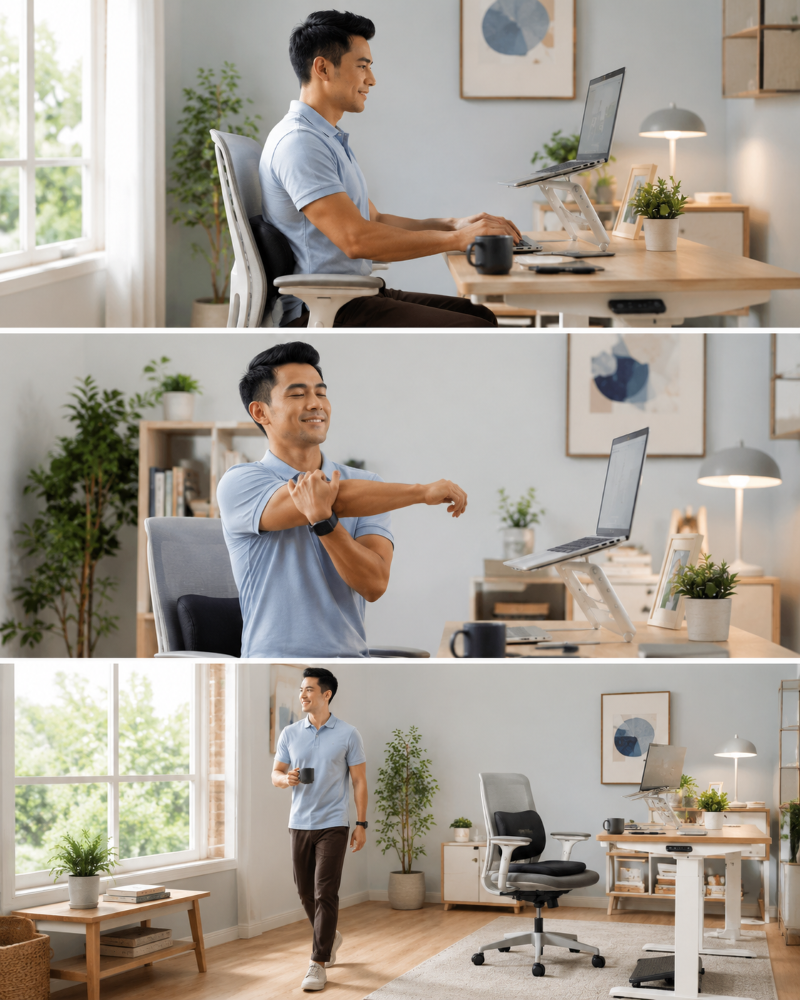
Daily Habits That Support a Healthier Workday
Working from home offers flexibility that many people once dreamed about. But if you're like most remote workers, freelancers, or desk professionals, there's a good chance that flexibility has come...
Read more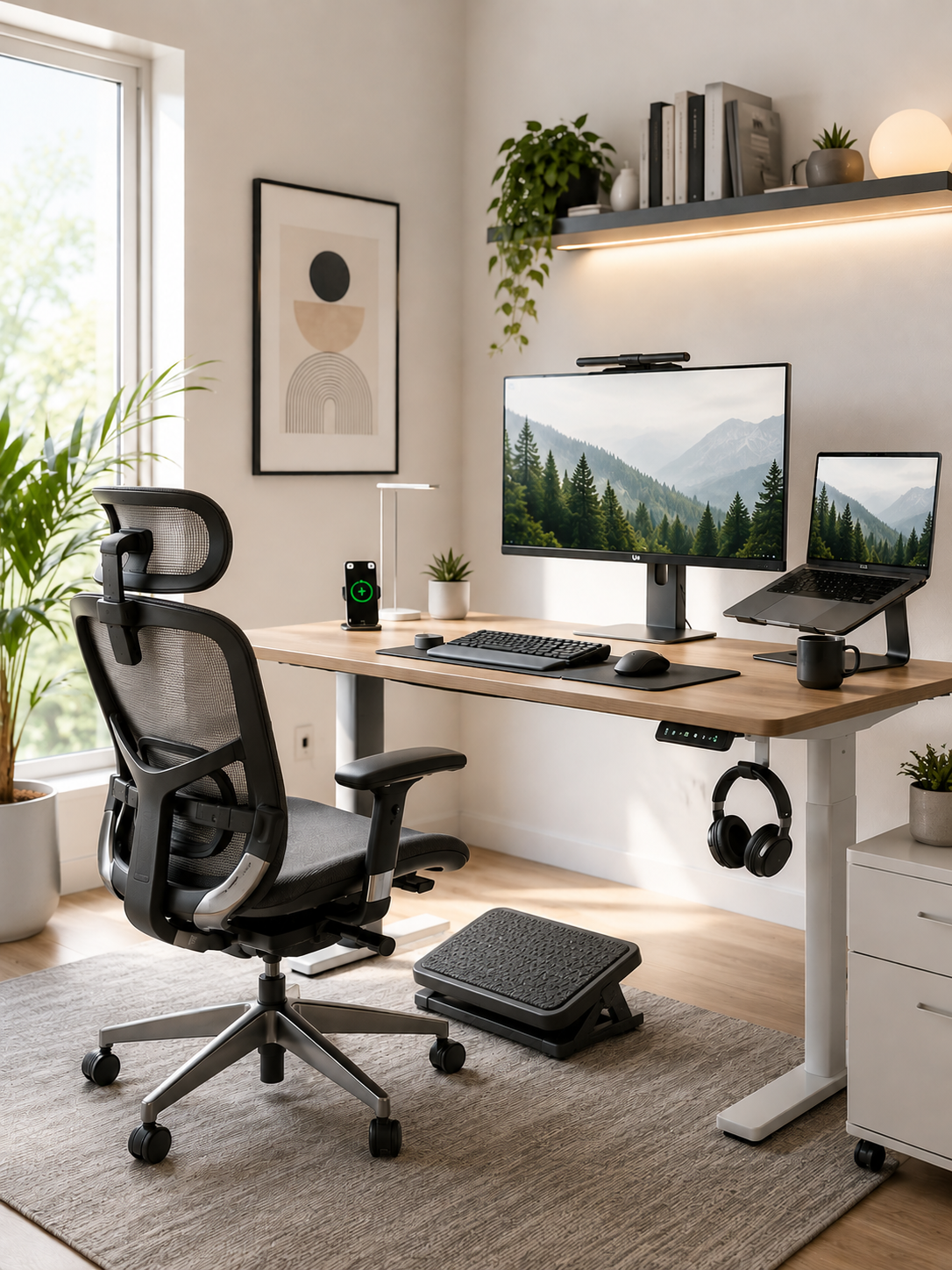
The Future of Home Office Ergonomics: Trends That Will Shape Healthier, Smarter Workspaces
Working from home was supposed to make life easier. No commute. More flexibility. Greater control over your schedule. But for many remote workers, the reality has been different. Ergonomic trends 2...
Read more
If you work from home, chances are you've experienced it. The lower back ache that appears halfway through the afternoon. The stiff neck that lingers long after you shut down your laptop. The shoul...
Read more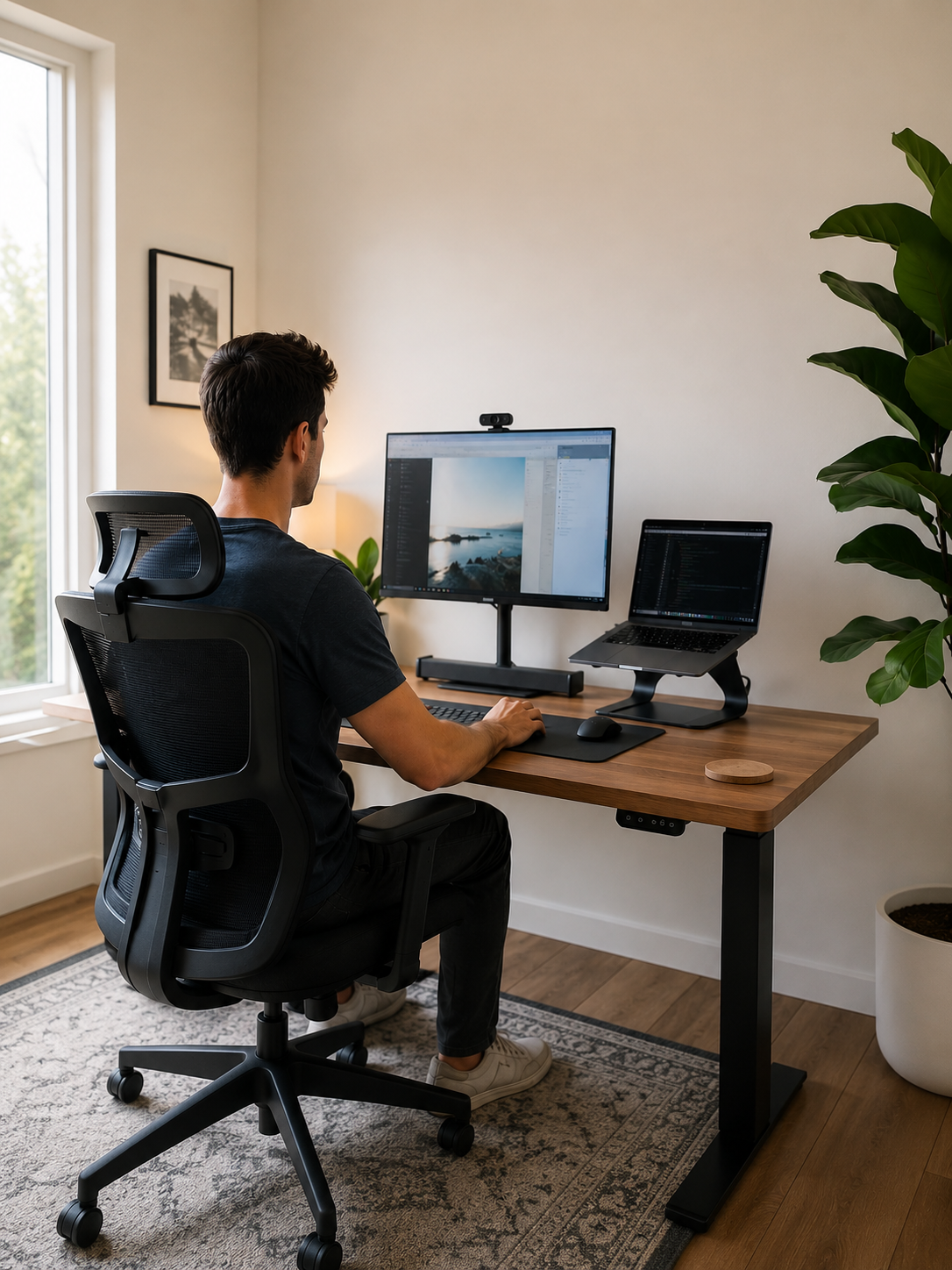
Designing a Minimalist Home Office with Ergonomics in Mind
A minimalist home office can be beautiful. Clean lines. An uncluttered desk. A calming workspace that looks like it belongs in a design magazine. But if you've been working from home for months—or ...
Read more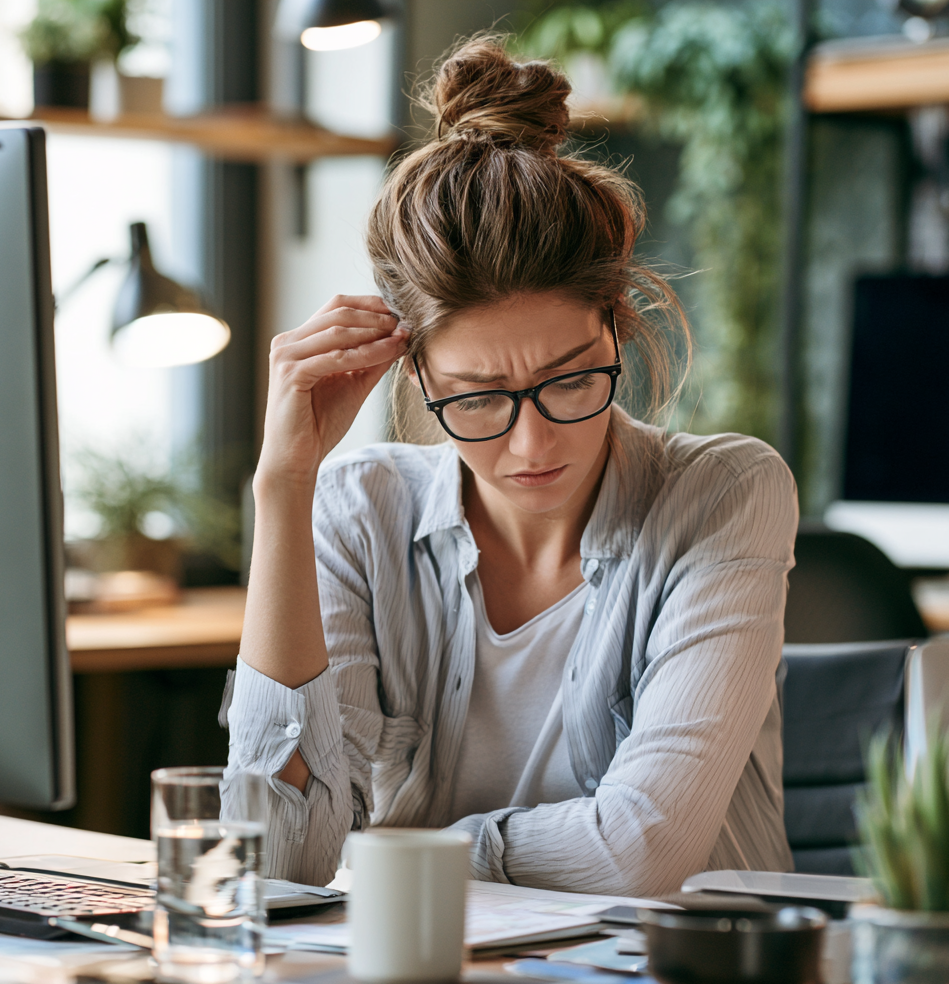
6 Ways Poor Desk Ergonomics Causes Afternoon Brain Fog
You sit down to work with a clear plan for the day. Your inbox is under control. Your priorities are organized. You know exactly what needs to get done. Yet by mid-afternoon, something changes. Tas...
Read more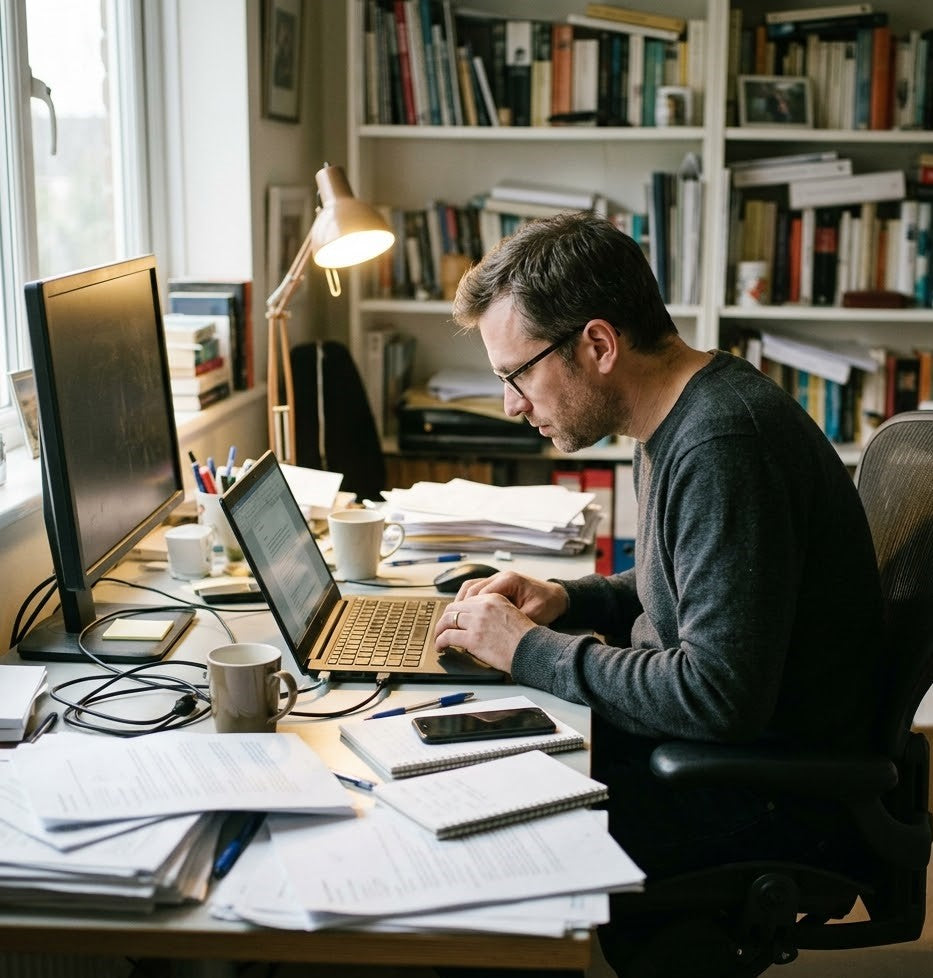
10 Red Flags Your Home Office Is Wrecking Your Posture
If your neck feels stiff before the workday is even halfway over, your lower back aches by mid-afternoon, or you find yourself constantly adjusting in your chair trying to get comfortable, your bod...
Read more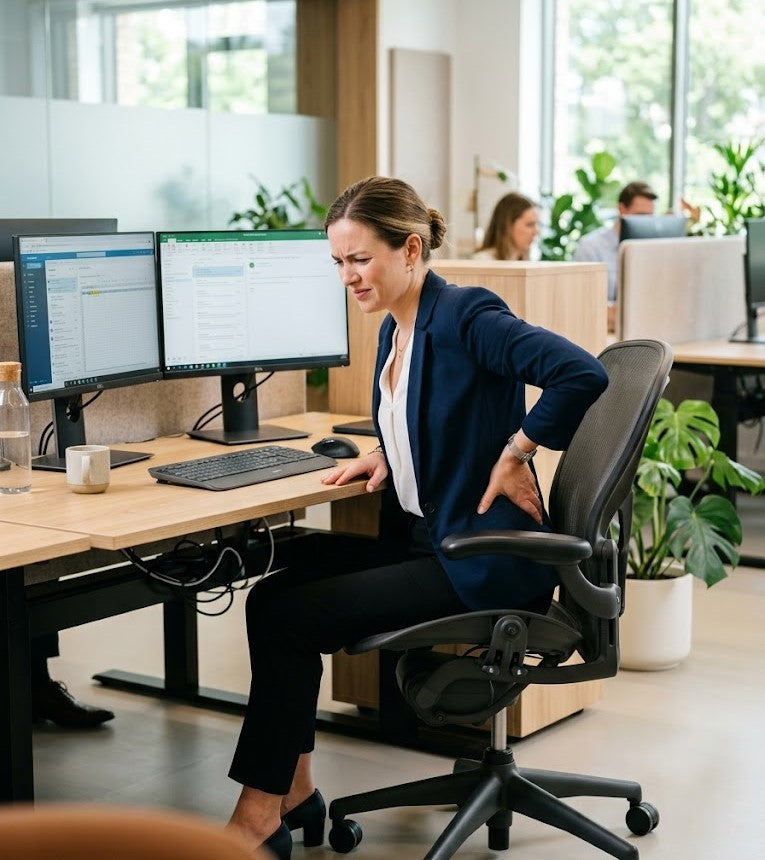
8 Reasons Your Back Hurts With Good Chair
Investing in a high-quality office chair is often viewed as the definitive solution to sitting discomfort. Many professionals upgrade their workspace expecting that an ergonomic chair—with features...
Read more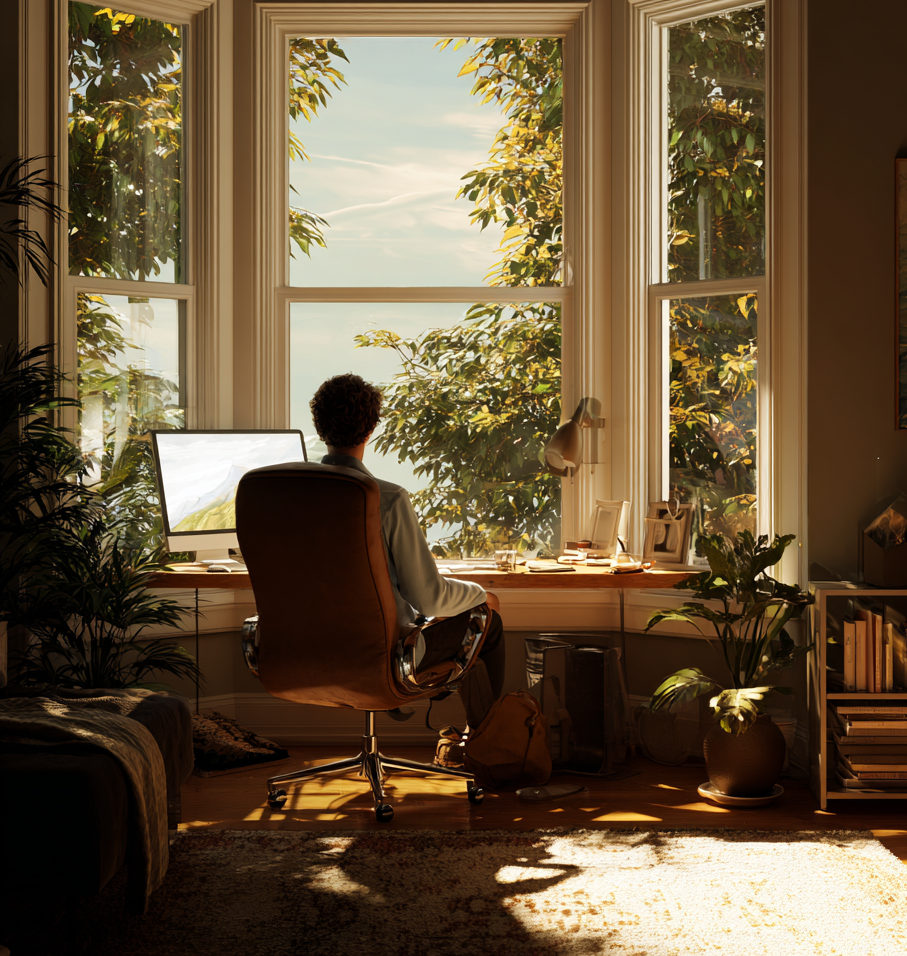
How to Avoid Fatigue at Work: Make Your Workspace Better
For many professionals, the workday often follows a familiar pattern. The morning begins with clarity, focus, and momentum, but as the afternoon approaches, energy levels begin to decline. Concentr...
Read more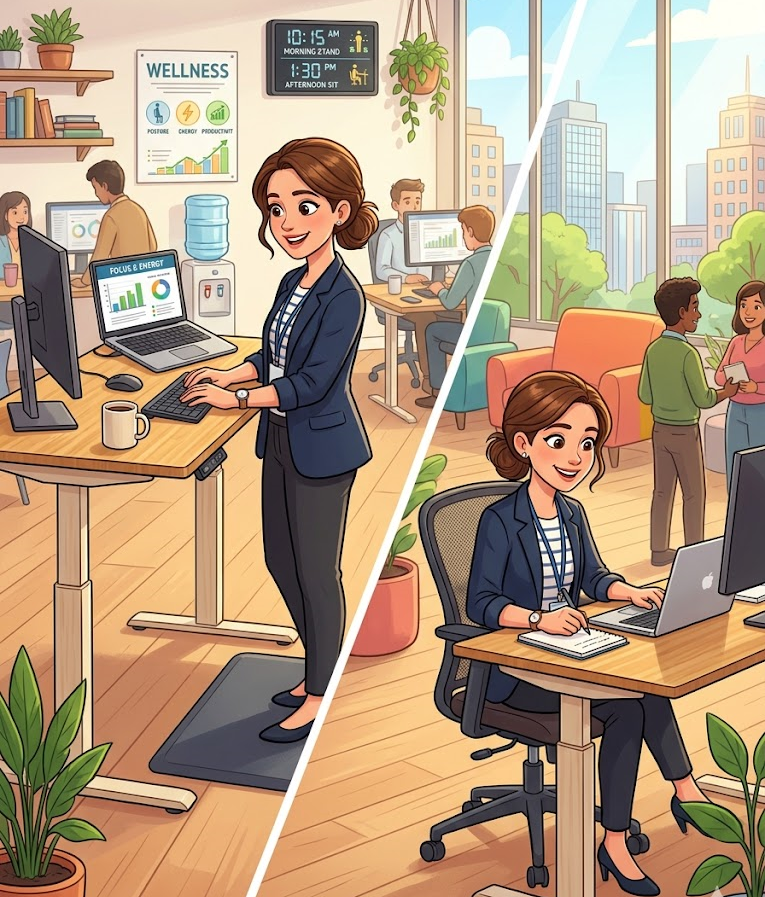
Standing Desk vs. Sitting Desk: Which Is Best for You?
The discussion surrounding standing desks versus sitting desks has become increasingly prominent in recent years, particularly as more professionals spend extended hours at their workstations. Acro...
Read more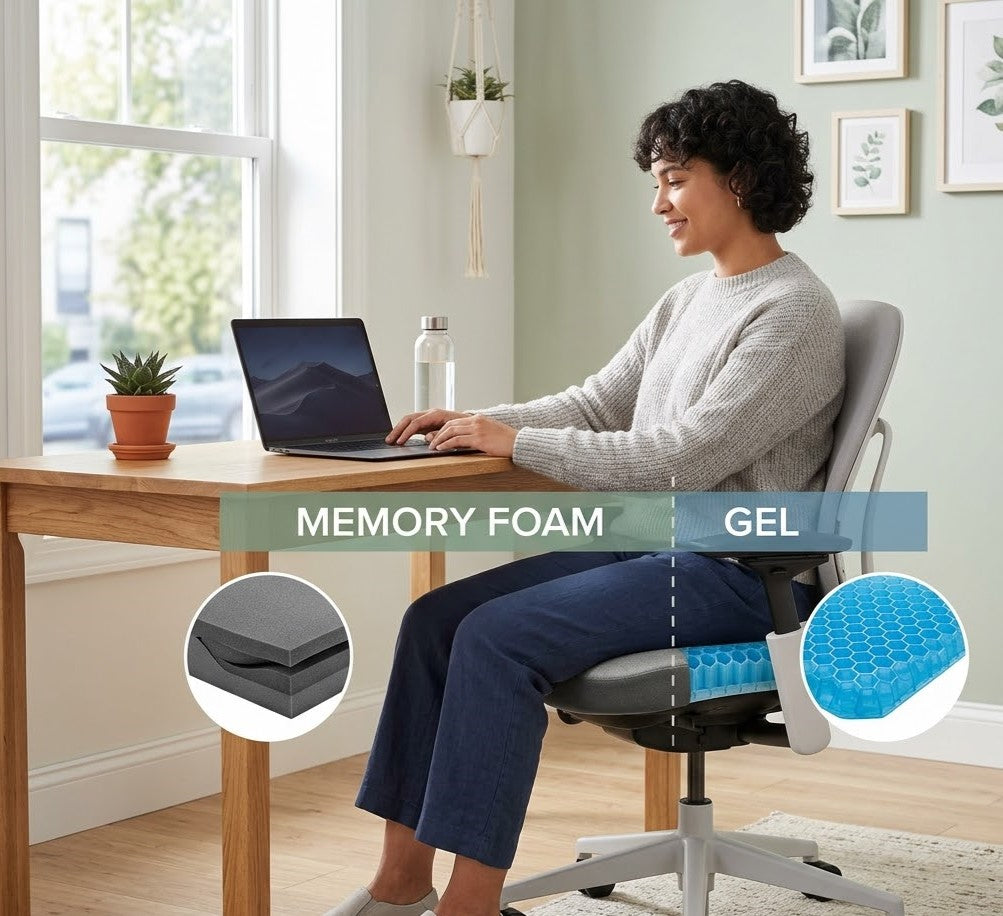
Memory Foam vs Gel Cushion: Which Should You Choose?
If your daily routine involves extended periods of sitting—whether at a desk, in meetings, or while working from home—you may already be familiar with the gradual onset of discomfort. What often be...
Read more