How Sitting Pressure Affects Your Back Over Time
If your back feels comfortable when you first sit down but becomes stiff, sore, or fatigued by the end of the day, this experience is both common and understandable. It does not mean you are sitting incorrectly, nor does it reflect a failure of posture, discipline, or awareness.
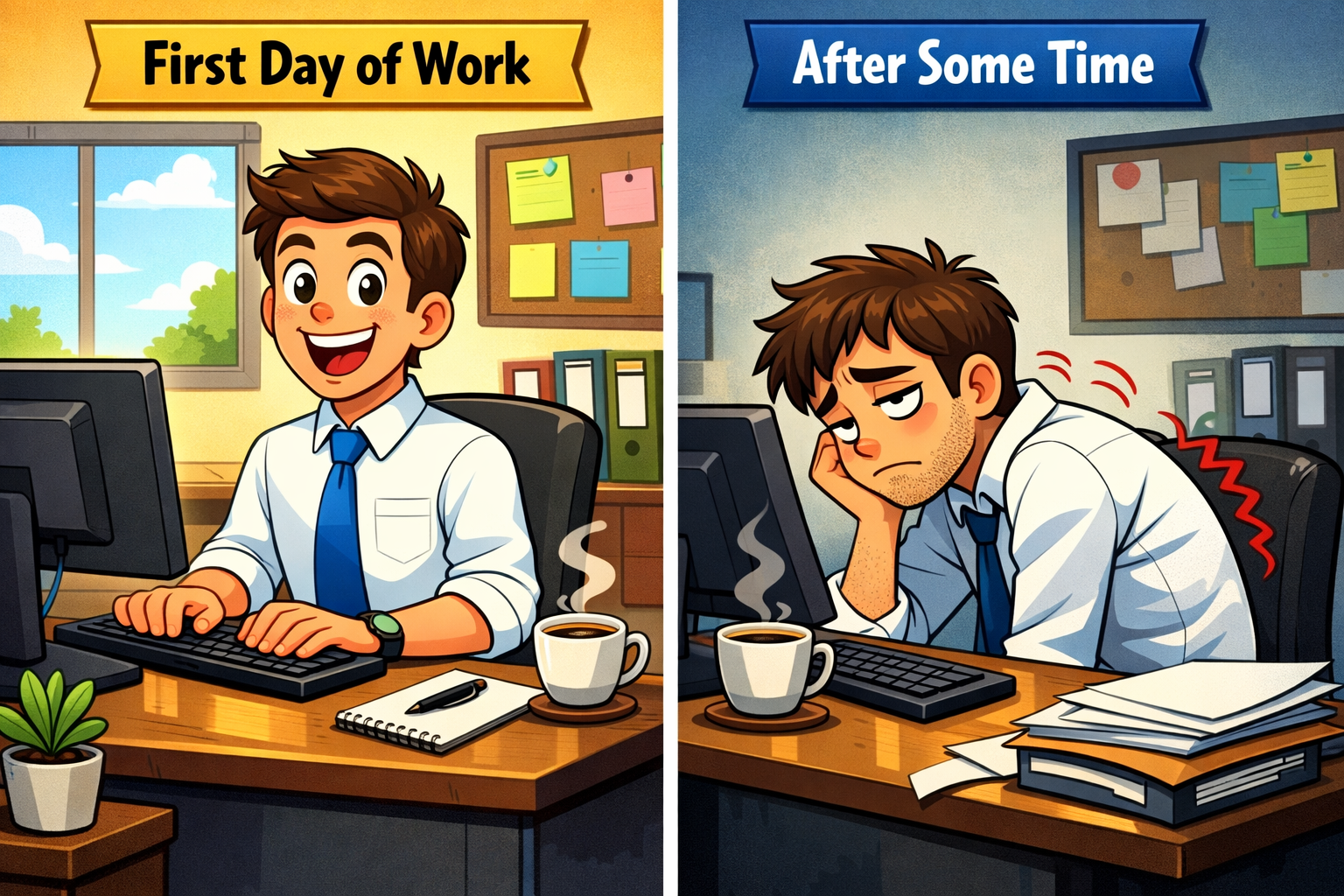
In most cases, back discomfort associated with desk work is not triggered by a single moment of poor posture. Instead, it develops gradually as sitting pressure accumulates over an extended period of time. Each hour spent seated adds a small, often unnoticed mechanical load to the spine. On its own, that load may feel insignificant. Repeated daily, however, it begins to influence how the back feels and functions.
Although sitting appears passive, the body is never truly at rest while seated. Gravity continues to act on the spine, body weight is transferred through the pelvis, and stabilizing muscles remain active to maintain alignment. When this ongoing pressure is not adequately supported or distributed, the lower back absorbs the majority of the strain—hour after hour, day after day. Improper posture, such as slouching or leaning forward, can increase pressure on the back and neck, potentially leading to neck pain. Over time, this sustained load can manifest as stiffness, fatigue, and discomfort that intensifies as the day progresses.

What Happens to Your Back When You Sit for Hours
When you sit, your body weight is directed downward through the spine and into the pelvis. Gravity continues to act on the body regardless of posture or awareness, creating a constant compressive force that the spine must manage for as long as you remain seated.
Several important mechanical changes occur beneath the surface:
- The pelvis becomes the primary base of support, determining how body weight is distributed upward through the spine
- The lumbar spine absorbs ongoing compressive load, particularly when the pelvis drifts out of a neutral position
- Stabilizing muscles remain active to prevent collapse, even when you feel “still,” increasing muscular demand over time
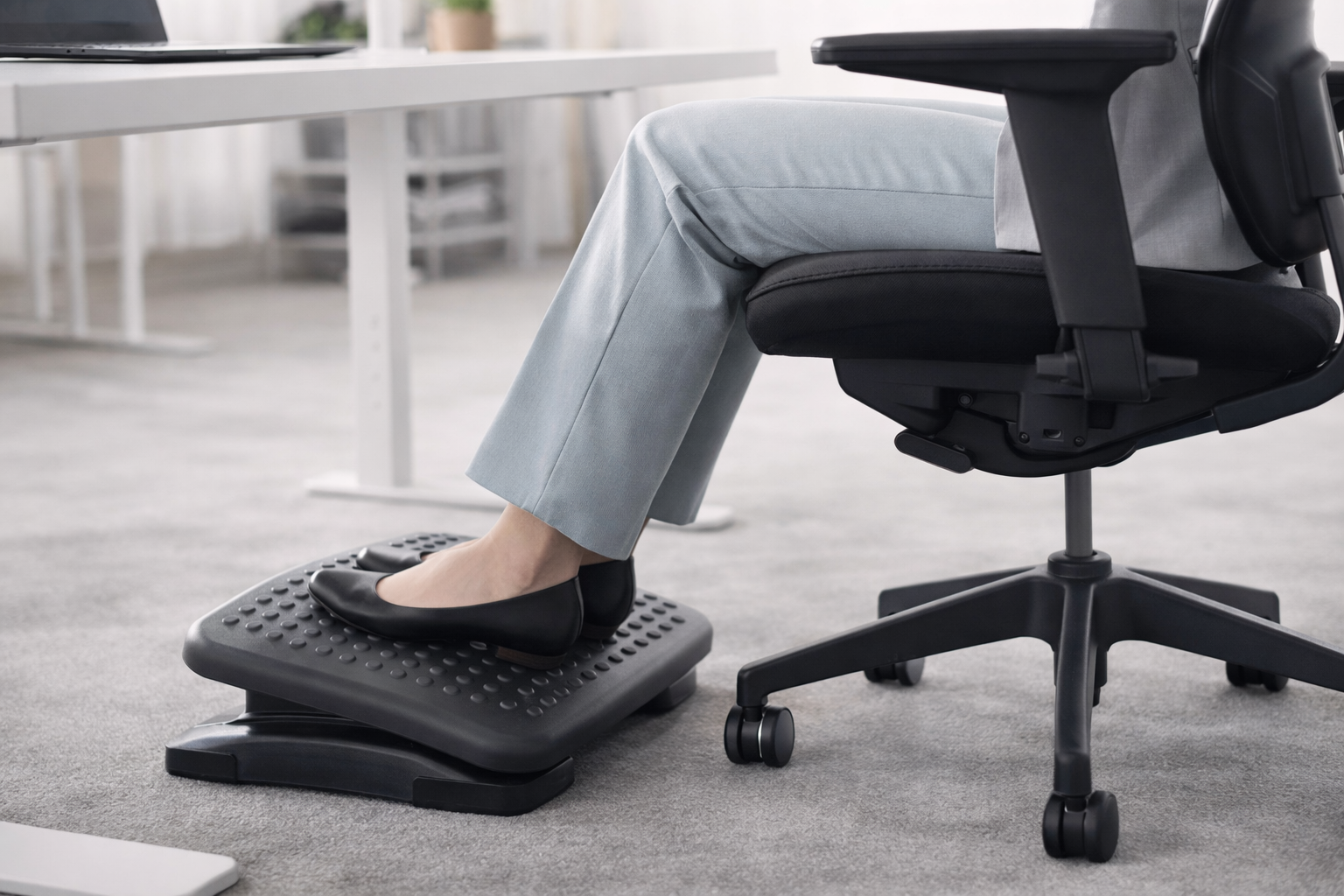
- Proper alignment of the legs, knees, and feet is essential to ensure even pressure distribution and minimize the risk of discomfort or pressure points
Even with what is commonly considered “good posture,” the spine is exposed to continuous spinal pressure from sitting, with the lower back bearing the greatest share. Sitting posture, including avoiding leaning forward, can influence pressure on the spine and lower back. As time passes without meaningful changes in position or load, spinal tissues—including discs, ligaments, and muscles—are asked to tolerate that pressure for longer than they are designed to comfortably manage.
This sustained compression helps explain why many people experience:
-
Increasing pressure or tightness in the lower back
-
A gradual sense of heaviness or muscular fatigue
-
Temporary relief only after standing, stretching, or walking
What the body is responding to in these moments is not simply a need for movement, but a need for relief from uninterrupted compression. When pressure is reduced or redistributed, such as through pressure redistribution and pressure relief strategies, the spine can relax and recover more effectively—even before movement occurs. These approaches can also improve circulation and reduce discomfort.
Back support and lumbar support play a key role in maintaining proper alignment and reducing pressure during sitting.

Why Sitting Pressure Builds Instead of Disappearing
A common misconception about sitting-related back pain is the belief that discomfort automatically resolves once you stand up or change position. While brief movement can provide temporary relief, it does not fully reverse the mechanical effects of prolonged sitting.
In reality, sitting pressure tends to accumulate rather than reset.
Unlike activities that involve regular movement and load variation, desk work places the body under:
- Static load, where pressure remains constant rather than fluctuating
- Limited pressure variation, concentrating stress on the same tissues for extended periods
Pressure redistribution and pressure relief strategies, such as taking regular breaks, changing position, and using specialized cushions, can help improve circulation and reduce the risk of discomfort during long periods of time spent sitting.
-
Long recovery gaps, during which tissues have insufficient time to decompress and recover
The structures of the back—muscles, intervertebral discs, and connective tissues—are designed to tolerate load, but only up to a certain threshold. When sitting pressure remains within that tolerance, the body adapts without discomfort. When that threshold is exceeded repeatedly, however, low-level strain begins to accumulate.
Certain risk factors, such as limited mobility or lack of exercise, can make individuals more susceptible to the negative effects of prolonged sitting pressure.
This process explains why many people notice a consistent pattern:
-
The back feels relatively comfortable early in the day
-
Discomfort emerges gradually rather than suddenly
-
Symptoms become more noticeable or persistent over weeks or months
The issue is rarely a single long workday. Instead, it is the result of repeated exposure to sustained pressure without adequate support or relief. Over time, that cumulative load changes how the back responds to sitting, even when posture appears unchanged.

Understanding Pressure Injuries: When Sitting Pressure Becomes a Medical Issue
While occasional back discomfort from sitting is common, prolonged sitting can sometimes lead to more serious health problems—specifically, pressure injuries. Also known as pressure sores or pressure ulcers, these injuries develop when constant pressure on certain areas of the body restricts blood flow, depriving tissues of the oxygen and nutrients they need to stay healthy. Over time, this lack of circulation can cause tissue damage, resulting in open wounds that are painful and difficult to heal.
Pressure injuries most often occur in vulnerable areas where body weight is concentrated against a chair for long periods, such as the buttocks, tailbone, and even the heels. These bony areas are at especially high risk because there is less cushioning from muscle or fat, making it easier for pressure to build up and compromise healthy skin.
The risk of developing pressure sores increases with prolonged sitting, especially for individuals with limited mobility or those who are unable to change position frequently. To relieve pressure and prevent pressure ulcers, it is essential to use pressure relieving cushions designed to redistribute body weight more evenly. These specialized cushions reduce pressure on high-risk areas, improve blood flow, and help protect the skin from damage.
Incorporating pressure relieving cushions into your daily routine is a proactive way to reduce pressure and lower the risk of pressure injuries. By supporting the body and minimizing constant pressure on vulnerable areas, these cushions play an essential part in maintaining comfort and promoting long-term skin health—even during extended periods of sitting.

The Difference Between Occasional Soreness and Chronic Back Issues
Not all back discomfort associated with sitting has the same cause or significance. Understanding the distinction between short-term soreness and chronic back issues is essential for addressing the problem effectively.
Occasional soreness is typically linked to:
- Temporary muscular fatigue after long or demanding days
- Unfamiliar or increased activity, such as longer work hours than usual
- Short-term overload that resolves with rest or movement
This type of discomfort is usually transient. It improves with recovery and does not fundamentally change how the back functions.
Chronic back pain from sitting develops through a different process. Rather than arising from isolated strain, it is often the result of persistent, low-level pressure applied day after day—pressure that never fully resolves before being reintroduced.
As this exposure continues, the body begins to adapt in subtle but important ways:
-
Stabilizing muscles remain partially engaged for longer periods to maintain support
-
Movement patterns gradually change in an effort to avoid areas of discomfort
-
Specific regions of the spine absorb more load than intended, increasing localized strain
Chronic exposure to sitting pressure can increase the risk of injury, including pressure injury and skin damage, particularly in the affected area of the back.
These adaptations are not signs of weakness or poor conditioning. They are predictable responses to long-term sitting pressure on the spine. When the body is repeatedly asked to manage load without adequate support, it compensates as best it can.
The encouraging reality is that this process is mechanical rather than permanent. And because it is mechanical, it can be modified. Reducing sustained pressure and improving support can interrupt the cycle that allows occasional discomfort to progress into chronic issues. Addressing risk factors and incorporating exercise can also help prevent the progression from occasional soreness to chronic problems.

Why “Good Posture” and Expensive Chairs Often Don’t Solve Pressure
When back discomfort persists, many people understandably focus on posture correction or invest in a more advanced office chair. While these approaches can help in certain cases, they often fail to address the core issue—how pressure is managed while sitting.
The reason is straightforward. Posture is an active task. Maintaining an upright position requires ongoing muscular effort, and that effort naturally diminishes over time as fatigue sets in. Even when posture begins well, it becomes increasingly difficult to sustain hour after hour. Importantly, sitting upright does not eliminate pressure; it only changes how that pressure is distributed.
Even high-quality or “ergonomic” chairs can leave critical gaps in support, such as:
- Uneven pressure across the seat, leading to localized stress
- Insufficient pelvic support, which alters spinal alignment
- Concentrated pressure points that increase fatigue in specific areas
Back support and lumbar support are essential for maintaining proper alignment and reducing pressure, but even ergonomic chairs may not provide adequate support in these areas, leaving users at risk for discomfort and pressure-related issues.
When pressure is not evenly distributed, it tends to concentrate in the lower back and pelvic region. This concentrated sitting pressure is a primary driver of muscular fatigue and discomfort—even in workstations that appear well designed.
Effective support works differently. Rather than asking the body to maintain position through constant effort, it reduces mechanical load automatically. When pressure is properly distributed and key structures are supported, the body no longer needs to compensate. Pressure redistribution and pressure relief are key features of well-designed seating solutions, helping to prevent discomfort and pressure sores. Sitting becomes less demanding—not because posture is perfect, but because the underlying strain has been reduced.

Sitting Less Isn’t Always an Option—Reducing Pressure Is
Advice to “just sit less” often overlooks the practical realities of modern work. Desk-based roles, remote employment, and screen-focused tasks frequently require long periods of seated concentration. For many people, sitting is not optional—it is a necessary part of their day. Certain risk factors, such as limited mobility, medical conditions, or poor nutrition, can make individuals more susceptible to the negative effects of prolonged sitting.
Because of this, the more effective approach is not to eliminate sitting, but to reduce the amount of pressure the back must manage while seated. This shift in perspective is important. It moves the focus away from time spent sitting and toward the mechanical demands placed on the body during that time.
Rather than asking:
“How long have I been sitting?”
A more useful question is:
“How much pressure is my body supporting while I sit?”
When sitting pressure is reduced:
- Muscular effort decreases, as the body no longer needs to constantly stabilize itself
- Fatigue is delayed, allowing sitting to feel more sustainable
- Sitting tolerance improves, even during long work sessions
Incorporating pressure redistribution and pressure relief strategies, such as using specialized cushions, along with regular exercise, can help improve circulation and reduce discomfort during long periods of time.
Support does not replace the need for movement or breaks. Instead, it changes what the body experiences between those breaks. By lowering the baseline level of strain, support makes extended sitting less demanding and allows the back to recover more effectively throughout the day.

How Proper Support Changes What Your Back Experiences All Day
Effective ergonomic support does more than add softness or padding. Its primary function is to redistribute pressure so that no single area of the body is asked to absorb excessive load for prolonged periods. Pressure redistribution and pressure relief help protect affected areas from excessive load, improve circulation, and reduce the risk of pressure-related injuries.
When support is designed correctly:
-
Body weight is distributed across a broader surface area, reducing concentrated pressure
-
The pelvis remains closer to a neutral position, supporting natural alignment up the spine
-
The lumbar curve is maintained with less muscular effort, lowering ongoing strain
Targeted seat support plays a particularly important role in this process. Because sitting pressure originates at the base of the spine, the way the pelvis and seat interact has a direct influence on how the entire back responds throughout the day. A contoured, pressure-distributing seat cushion—such as the Serenform Summit Seat Cushion—is designed to support this interface by reducing localized pressure where sitting stress most commonly begins.
With proper structural support in place, the back no longer needs to compensate continuously. Muscles can relax, alignment is maintained more naturally, and sitting requires less effort overall. This is the difference between comfort that feels temporary and support that remains effective over hours of use.

Why Reducing Daily Sitting Pressure Changes Long-Term Outcomes
Back health is not determined by occasional efforts or isolated improvements. It is shaped by what the body experiences repeatedly, day after day. The conditions under which you sit most often have a far greater influence on long-term comfort than any single “perfect” workday.
When daily sitting pressure is reduced in a consistent and sustainable way:
-
Muscles no longer need to brace continuously, allowing them to function more efficiently
-
Spinal tissues are given more opportunity to recover, even during extended work periods
-
Sitting endurance improves naturally, without the need for constant adjustments or vigilance
Reducing sitting pressure over time can also lower the risk of pressure injury, skin damage, and other injury, especially in the affected area, by minimizing prolonged stress on vulnerable regions.
Importantly, these improvements do not depend on flawless posture or ongoing reminders to “sit correctly.” Instead, they come from changing the mechanical environment the back operates within—specifically, how load and pressure are managed while seated.
Over time, these small, daily reductions in strain accumulate in the same way that unaddressed pressure does. The difference is that, rather than contributing to fatigue and discomfort, they support resilience, tolerance, and long-term spinal health.
Addressing risk factors and incorporating exercise into your routine can further help maintain back health and prevent issues related to sitting pressure over the long term.

Conclusion: Pressure Is What Adds Up—Support Is What Interrupts It
Back discomfort associated with sitting rarely appears all at once. More often, it develops gradually—through small, repeated mechanical demands that accumulate over time. Sitting pain is not typically the result of a single poor habit or isolated posture mistake. It is the predictable outcome of ongoing pressure that the body is required to manage without adequate support.
Sitting itself is not inherently harmful. The issue arises when sitting pressure remains concentrated and unsupported for long periods. Under those conditions, the back absorbs more load than it can comfortably tolerate, leading to fatigue, stiffness, and reduced sitting tolerance over time.
Support changes this equation by altering how pressure is handled. When load is reduced and redistributed appropriately:
-
Overall strain on the back decreases
-
Muscular effort drops, allowing the body to relax
-
Sitting becomes more sustainable, rather than something to push through
When the mechanical strain placed on the body changes, the outcome changes with it. By addressing sitting pressure at its source, it becomes possible to interrupt the cycle that allows discomfort to build—and replace it with a sitting experience that supports long-term comfort and resilience.