Are Ergonomic Products Worth It? Why They Are Worth the Investment
Ergonomics is far more than a workplace trend—it is a science-driven approach to designing environments that support the way the human body naturally moves and functions. It applies theory from scientific research, as well as data, principles, and methods from multiple disciplines, to optimize human well being and system performance. As the modern workforce spends an increasing number of hours seated—often 6 to 10 hours per day, according to the U.S. Bureau of Labor Statistics—the quality of that sitting experience has become a critical factor in overall well-being.
How your workspace is arranged directly influences your physical comfort, cognitive performance, and long-term musculoskeletal health. A well-aligned workstation reduces unnecessary strain on the spine, distributes weight more evenly, and encourages the neutral position your body was designed to maintain. Maintaining a neutral position—where your body, arms, wrists, and neck are aligned in a natural, relaxed posture—is essential in ergonomic workspace setup to prevent strain and discomfort during computer work. Ergonomic improvements contribute to a better environment by enhancing comfort and safety for everyone in the workspace. When alignment improves, so does the entire working experience:
-
Spinal stress decreases, minimizing the likelihood of chronic tension or pain
-
Comfort becomes more sustainable, even across extended work periods
-
Focus and mental clarity improve, as the body is no longer competing with discomfort
- Long-term health benefits emerge, from reduced injury risk to better mobility and circulation
This article explores why thoughtfully engineered ergonomic products—such as high-density seat cushions, structured lumbar pillows, ergonomic chairs, height-corrected laptop stands, and supportive footrests—are not simply optional enhancements. They are strategic investments in daily comfort, long-term health, and measurable productivity. By understanding the real value behind these tools, you can make decisions that support both your immediate work experience and your future well-being. These tools not only improve individual comfort but also enhance overall system performance in the workplace.

The Immediate Problem: Pain Signals You Shouldn’t Ignore
Discomfort is often the body’s first and most reliable indicator that something in your workspace is not supporting you properly. If you are reading this because you’re experiencing pain, you are far from alone. Back pain, neck strain, hip pressure, and muscle fatigue rank among the most common work-related complaints worldwide, and they are also some of the clearest cues that your current workstation may be compromising your posture and overall well-being. Physical discomfort is a key sign of poor ergonomic support and should not be ignored.
Prolonged sitting—especially in a poorly aligned setup—places cumulative stress on your spine, joints, and supporting muscles. Over time, this stress manifests as recurring tension, stiffness, or more persistent pain that interrupts your focus and drains your energy. Understanding what these signals mean is the first step toward correcting them. Ergonomic adjustments should be tailored to the needs of each person to effectively address these issues.
Investing in ergonomics is not an indulgence—it’s a crucial step in injury prevention, helping to reduce workplace injuries and promote long-term employee well-being.
Common Discomforts Caused by Poor Sitting Posture
| Discomfort | Why It Happens | Ergonomic Solution |
|---|---|---|
| Lower-back pain | Posterior pelvic tilt, lack of lumbar curvature support | Lumbar pillow, ergonomic seat cushion |
| Tailbone pressure | Direct compression on the coccyx | Coccyx cutout cushion |
| Neck & shoulder strain | Screen positioned too low or too far away | Laptop stand for proper screen height |
| Hip pressure | Uneven weight distribution and inadequate padding | High-density foam cushion |
| Leg numbness | Poor circulation and unsupported foot position | Ergonomic footrest |
These issues are more than minor annoyances. When ignored, they can contribute to long-term musculoskeletal imbalances, reduced mobility, and chronic pain patterns that are far more difficult to resolve.
Why Ergonomics Relieve Pain
Ergonomic products are designed to restore the body’s natural alignment by positioning the spine, pelvis, and limbs in neutral, supported postures. When the body is aligned correctly:
-
Compression on the spine decreases
-
Muscle fatigue is significantly reduced
-
Circulation improves
-
Pressure points are minimized
- Postural strain is evenly distributed rather than localized
This combination not only alleviates current discomfort but also reduces the risk of developing more serious or persistent injuries.
Pain is not simply a nuisance—it is feedback. When your workstation consistently causes discomfort, it is a clear indication that the setup is not serving your body’s needs. Investing in ergonomics is not an indulgence; it is a proactive and corrective measure that supports your health, prevents further strain, and enhances your ability to work comfortably and efficiently.

Transforming Your Workspace: The WFH Upgrader’s Guide to Comfort
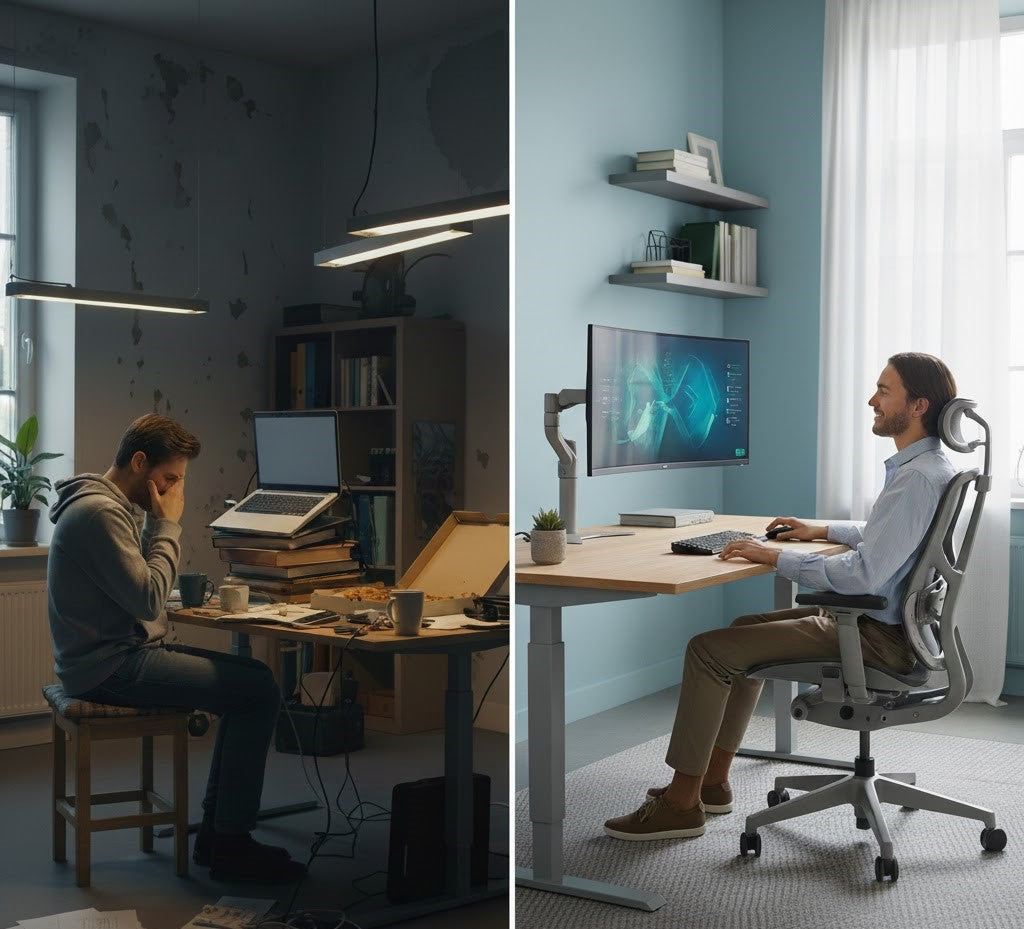
For many remote workers, the home environment was never originally designed to serve as a full-time office. Dining chairs, kitchen counters, and improvised desk setups may be convenient, but they rarely provide the support required for extended hours of computer work. Over time, these makeshift arrangements place unnecessary stress on the spine, hips, and shoulders—often leading to pain that gradually becomes a daily distraction. This is where workplace ergonomics comes in: as the science and practice of designing workspaces to reduce injuries and improve efficiency, workplace ergonomics emphasizes the importance of adjustable, human-centered setups tailored to individual needs.
The good news is that improving your work-from-home comfort does not require a complete office renovation. Strategic ergonomic upgrades can dramatically elevate your posture, relieve pressure, and create a more sustainable working environment with minimal effort and investment. Small adjustments, when guided by proper ergonomic principles, produce measurable improvements in both comfort and productivity.
High-Impact Upgrades That Transform Comfort
-
Seat Cushion – Restores pelvic alignment and reduces pressure points
A high-quality seat cushion supports the pelvis at a neutral angle, preventing the posterior tilt that often contributes to lower-back pain. By distributing weight more evenly, it alleviates pressure on the hips and tailbone, allowing you to sit comfortably for longer periods. -
Lumbar Pillow – Maintains the spine’s natural curvature
Proper lumbar support reinforces the natural “S” shape of the spine, reducing strain on the lower back and preventing slouching. A well-designed lumbar pillow fills the gap between your chair and lower back, keeping your posture upright without requiring constant effort. -
Laptop Stand – Raises the screen to eye level to reduce neck and shoulder strain
When a screen sits too low—as is typical with laptops—the neck is forced into a forward-leaning position. A laptop stand helps lift the display to an optimal height, promoting healthier alignment and reducing the stress placed on the neck and upper back. -
Footrest – Improves circulation and relieves lower-back load
A supportive footrest helps maintain proper leg positioning and prevents feet from dangling, which can restrict blood flow and increase pressure on the lumbar spine. Elevating the feet encourages a more stable, grounded posture that benefits the entire kinetic chain.
Individually, each of these tools addresses a specific area of support. Together, they create an integrated ergonomic ecosystem—one that enhances alignment from the ground up. This holistic approach reduces the micro-adjustments and fidgeting that occur when your body is searching for comfort, enabling you to focus more fully on your work rather than your discomfort.
Investing in even one of these upgrades can make a noticeable difference; adopting multiple creates a workspace engineered for sustained comfort, stability, and well-being.

Designing an Ergonomic Workstation
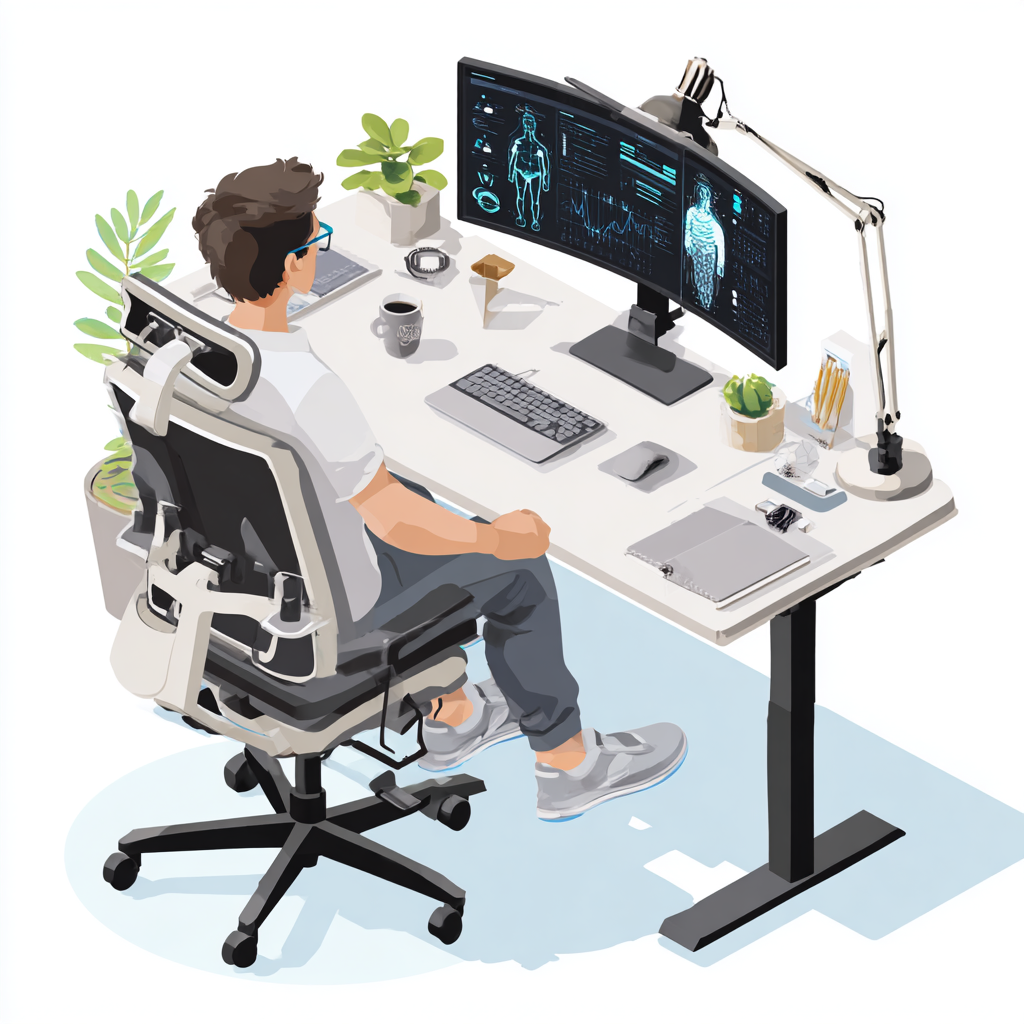
Designing an ergonomic workstation is about more than just choosing a comfortable chair—it’s about creating a workspace that optimizes human well-being and system performance. This process starts with selecting the right office furniture, including ergonomic chairs, adjustable desks, and supportive equipment, all tailored to fit the user’s body and work habits.
A well-designed ergonomic workstation is specifically designed to minimize awkward postures, repetitive motions, and unnecessary strain. By positioning monitors at eye level, ensuring that keyboards and mice are within easy reach, and providing proper lumbar and arm support, you can reduce the risk of musculoskeletal injuries such as carpal tunnel syndrome and chronic back pain.
Attention to these ergonomic factors not only prevents physical discomfort and fatigue but also enhances employee satisfaction and productivity. When employees work in an environment that supports their posture and movement, they experience less stress and are able to focus more effectively on their tasks.
Incorporating ergonomic principles into your workstation design leads to a healthier, more comfortable, and more productive office environment. By reducing the risk of injury and supporting overall well-being, an ergonomic workstation is a smart investment in both employee health and organizational performance.

Productivity ROI: How Ergonomics Improves Your Focus and Output
Comfort is often underestimated as a performance driver, yet it plays a central role in how effectively you think, concentrate, and complete work. When your body is supported, your mind is freed from the constant background task of managing discomfort. Conversely, when your chair, desk, or screen height is working against you, physical strain competes for cognitive resources—ultimately diminishing your productivity.
Research continues to reinforce this connection. In a study conducted by Texas A&M University, employees using ergonomically optimized workstations demonstrated a 46% increase in productivity compared to those working in non-ergonomic environments. This is not a marginal gain; it is a nearly transformational improvement grounded in the simple principle that a supported body performs better.
Why Ergonomics Enhances Productivity
-
Less fidgeting leads to more sustained focus
When you are uncomfortable, your body instinctively shifts, readjusts, and compensates to relieve pressure. These micro-disruptions may seem insignificant, but they accumulate—breaking your concentration and interrupting deep work. Ergonomic tools stabilize your posture, allowing you to remain engaged for longer stretches. -
Reduced pain results in fewer interruptions
Discomfort is one of the most persistent forms of distraction. Even low-level pain draws attention away from your tasks. By reducing strain on the spine, hips, and neck, ergonomic support minimizes the physical cues that interrupt your workflow. -
Better posture improves blood flow, oxygenation, and mental alertness
Neutral alignment supports healthier circulation, which ensures the brain receives consistent oxygen and nutrients. This physiological improvement translates into clearer thinking, improved decision-making, and greater clarity throughout the day. -
Proper alignment reduces overall fatigue
Poor posture forces the muscles to work harder to stabilize the body. Over time, this leads to premature fatigue—long before the workday is over. Ergonomics reduces unnecessary muscular strain, allowing your energy to be directed toward meaningful work instead of compensating for discomfort.
When physical strain is removed from the equation, cognitive performance naturally rises. You spend less time adjusting, shifting, or managing discomfort, and more time immersed in the work that requires your full attention. Ergonomic products pave the way for this higher level of output by creating a working environment that supports both the body and the mind.

Preventive Health ROI: Protecting Your Body for the Long Term
Ergonomics offers immediate comfort, but its most profound value lies in long-term protection. The way you sit today shapes the way your body feels years from now. When a workstation consistently forces your spine, hips, shoulders, or neck into misalignment, the cumulative strain gradually wears down muscles, joints, and connective tissues. Over time, these repeated stresses can develop into chronic conditions that are far more difficult—and far more costly—to address.
Potential Long-Term Issues Caused by Poor Sitting Habits
-
Chronic lower-back pain
Often resulting from posterior pelvic tilt, lumbar flattening, or prolonged pressure on the spine. -
Sciatica
Triggered by compression of the sciatic nerve due to pelvic misalignment or insufficient seat support. -
Herniated discs
Caused by uneven spinal loading or forward-leaning posture that places excessive pressure on vertebral discs. -
Tight hip flexors and weakened glutes
Prolonged sitting shortens the hip flexors and deactivates stabilizing muscles, leading to imbalance and discomfort. -
Circulation issues
Restricted blood flow from poor leg positioning can contribute to swelling, numbness, or long-term vascular strain. -
Neck and shoulder impingement
Forward head posture and elevated shoulders increase tension in the cervical spine and upper back.
These conditions are not sudden injuries—they develop gradually from repeated strain, improper posture, and a lack of adequate support.
According to the Centers for Disease Control and Prevention (CDC), musculoskeletal disorders (MSDs) account for 30% of all workplace injuries, many of which stem from repetitive stress and incorrect posture during routine tasks. These issues can lead to lost workdays, ongoing treatment, or even chronic mobility challenges if not addressed early.
How Ergonomics Helps Prevent Long-Term Damage
Ergonomic tools are designed to correct alignment before problems develop. By supporting the spine’s natural curves, distributing pressure evenly, and encouraging healthy joint positioning, they:
- Reduce cumulative stress on vulnerable joints
- Prevent nerve compression and muscle imbalance
- Minimize repetitive strain injuries
- Encourage healthier sitting patterns that carry into daily life
This preventive approach protects long-term mobility, comfort, and musculoskeletal health—benefits that extend well beyond the immediate workday.
Investing in ergonomic solutions today can reduce the need for future medical interventions such as physical therapy, chiropractic care, pain management treatments, or corrective procedures. In many cases, the cost of a high-quality ergonomic cushion or lumbar pillow is a fraction of what long-term treatment for chronic back or neck pain would require.
Ergonomics is not merely a comfort upgrade—it is a proactive health strategy with meaningful long-term ROI.

The Value Equation: Why Ergonomic Products Are Worth the Price
When considering ergonomic tools, many people arrive at the same understandable question: “Is it worth the price?”
It is a practical concern—and one that deserves a clear, evidence-based answer.
The reality is that high-quality ergonomic products often save far more money than they cost, especially when viewed through the lens of longevity, health preservation, and sustained daily performance. Ergonomics is not merely about adding comfort; it is about reducing the financial and physical burdens created by chronic discomfort, poor posture, and repeated strain. Ergonomic products are a cost effective solution, offering long-term savings by minimizing expenses related to workplace injuries, replacements, and productivity losses.
Investing in ergonomics is an investment in long-term value. Not only do individuals benefit from improved health and comfort, but business also gains through increased productivity and reduced operational costs.
A Closer Look at the Value of Ergonomic Investments
A well-made ergonomic seat cushion, lumbar pillow, or footrest does more than provide immediate comfort—it creates long-term stability. High-density foams and structured support materials maintain their form for three to five years, often far longer, which brings the cost down to just pennies per day. In contrast, low-quality cushions frequently compress or fail within months, leading to repeated purchases and compounded costs.
The Financial Logic Behind Ergonomics
Beyond product durability, ergonomics can significantly reduce the expenses associated with musculoskeletal pain. Even a few visits to a physical therapist or chiropractor can exceed the cost of a premium ergonomic product. Moreover, pain-related productivity losses—missed deadlines, reduced concentration, early fatigue—carry their own quiet but substantial cost.
Ergonomic investments solve not a luxury problem, but a practical one:
- They prevent avoidable injuries.
- They reduce long-term discomfort.
- They strengthen daily performance.
- They eliminate the need for frequent replacements.
In short, ergonomic products are worth the investment because they safeguard your comfort, your output, and your long-term health—while reducing the ongoing expenses that stem from poorly supported posture.

Cost-Effective Solutions for Ergonomics
Implementing ergonomic solutions in the workplace doesn’t have to break the bank. In fact, many ergonomic improvements are highly cost-effective, especially when considering the long-term benefits they deliver. Investing in ergonomic equipment—such as ergonomic office chairs, adjustable desks, and supportive accessories—can dramatically reduce the risk of workplace injuries and musculoskeletal disorders, leading to lower indirect costs for businesses.
Cost-effective ergonomic solutions go beyond just purchasing new equipment. Conducting ergonomic assessments helps identify risk factors and areas for improvement, while employee training ensures that everyone understands how to use ergonomic tools and maintain healthy work habits. These proactive steps can prevent injuries, reduce absenteeism, and minimize workers’ compensation claims, all of which contribute to significant cost savings.
Moreover, ergonomic solutions have a positive impact on employee morale, job satisfaction, and productivity. When employees feel comfortable and supported, they are more engaged and efficient, leading to a more productive work environment and reduced turnover rates.
By applying ergonomic theory to the workplace and investing in the right equipment and training, businesses can create a safer, healthier, and more efficient office. The result is a win-win: improved employee well-being and a stronger bottom line.
What to Look for in High-Quality Ergonomic Products
Selecting the right ergonomic products is essential to achieving the full benefits of healthier posture and long-term comfort. While many items on the market are labeled “ergonomic,” not all of them are designed with the precision, durability, or biomechanical understanding required to deliver meaningful results. High-quality ergonomic tools are distinguished by evidence-based features that support the body in ways that are both measurable and sustainable.
To ensure you’re investing in products that genuinely enhance comfort and alignment, consider the following foundational characteristics.
Key Features to Prioritize
-
High-Density or Premium Memory Foam
The quality of the foam determines how well a cushion or support maintains its structure over time. High-density and premium memory foams resist sagging, distribute weight evenly, and provide consistent support for years rather than months. This firmness—balanced with comfort—is essential for preserving spinal alignment and preventing pressure buildup. -
Contoured, Anatomical Shaping
Effective ergonomic products are not flat or generic in shape. Instead, they follow the natural curves of the body. Contouring helps guide the pelvis into proper alignment, supports the lumbar curve, and reduces stress on key pressure points. This anatomical design differentiates true ergonomic engineering from standard cushioning. -
Adjustability
Every body is different, and the best ergonomic tools recognize that. Products with adjustable height, angle, or positioning—such as lumbar pillows with straps or footrests with multiple tilt levels—offer tailored support. The more your setup adapts to your unique body mechanics, the more effective it becomes. -
Stable, Supportive Construction
Stability is a hallmark of high-quality ergonomic design. Products that slip, shift, or collapse under weight compromise posture and reduce safety. Look for non-slip bases, secure fastening mechanisms, and materials that remain supportive even during extended daily use. -
Breathable, Durable Fabrics
Long-term comfort also depends on materials that allow airflow and resist wear. Breathable covers reduce heat buildup, while durable, easy-to-clean fabrics ensure the product maintains its integrity and appearance through daily use.
Choosing ergonomic products with these features ensures that your investment provides lasting support—not just immediate relief. High-quality ergonomics enhance your comfort, protect your posture, and elevate your working experience every day.

The Workplace Advantage: Ergonomics for Teams & Offices
For organizations, ergonomic products are far more than workplace enhancements—they represent strategic investments in employee well-being, operational efficiency, and long-term productivity. As the nature of work continues to evolve, companies that prioritize ergonomic design create environments where employees can perform at their best without compromising their health.
When a workspace supports proper posture and reduces physical strain, employees are better equipped to stay focused, maintain energy, and avoid the cumulative wear that often leads to discomfort or injury. These improvements translate directly into meaningful organizational benefits.
Key Benefits of Ergonomic Upgrades for Teams
-
Fewer discomfort-related absences
Musculoskeletal discomfort remains one of the leading causes of missed workdays. Providing proper support reduces strain, which in turn decreases the frequency of health-related interruptions and absenteeism. -
Higher employee satisfaction and retention
Employees who feel supported—literally and figuratively—are more likely to remain engaged and committed to their roles. Ergonomic investments send a clear signal that a company values its workforce’s health and comfort. -
Reduced risk of repetitive strain injuries
Poor posture and repetitive movements can lead to injuries that are not only harmful to employees but costly for employers. Ergonomic tools help mitigate these risks by promoting healthier work habits and proper alignment. -
Improved daily productivity
When employees are not distracted by discomfort, their ability to focus and work efficiently improves significantly. Ergonomics fosters a more productive environment where attention can remain on tasks rather than physical strain.
In essence, ergonomics delivers a meaningful return on investment. The upfront cost of ergonomic tools is often outweighed by the long-term savings associated with fewer injuries, greater productivity, and a healthier, more engaged workforce. By supporting employees’ physical well-being, companies cultivate stronger teams and more sustainable performance.

Conclusion: Investing in Ergonomics Is Investing in Your Health, Comfort, and Future
Ergonomic products are more than functional accessories—they are long-term investments in the elements of well-being that matter most. A thoughtfully designed ergonomic setup reinforces three essential pillars:
-
Comfort in the present, by reducing daily strain and allowing you to work without distraction.
-
Productivity in the future, by supporting sustained focus, energy, and mental clarity.
- Health for years to come, by preventing the cumulative damage that often results from poor posture and inadequate support.
Whether you are seeking relief from persistent discomfort, upgrading your home office, safeguarding your spinal health, or simply striving to work more efficiently, ergonomics delivers measurable, enduring returns. Each improvement you make enhances your ability to work comfortably and minimizes the physical toll of long hours at a desk.
The most effective approach is to begin with the areas where you experience the greatest discomfort. From there, build a workstation that prioritizes alignment, stability, and support. Choose ergonomic products engineered to reinforce healthy posture—not just the appearance of comfort—and allow them to work with your body rather than against it.
Your body will feel the difference.
Your performance will reflect the difference.
And your long-term health will benefit from the decisions you make today.