Office Chair Cushions: How the Right One Can Prevent Hip and Lower Back Pain
Modern work demands long hours of focus — but it also demands long hours of sitting. On average, professionals spend more than half of their waking day seated, whether at a desk, in meetings, or working remotely from home. While this may seem harmless, prolonged sitting has a profound and cumulative impact on the body.
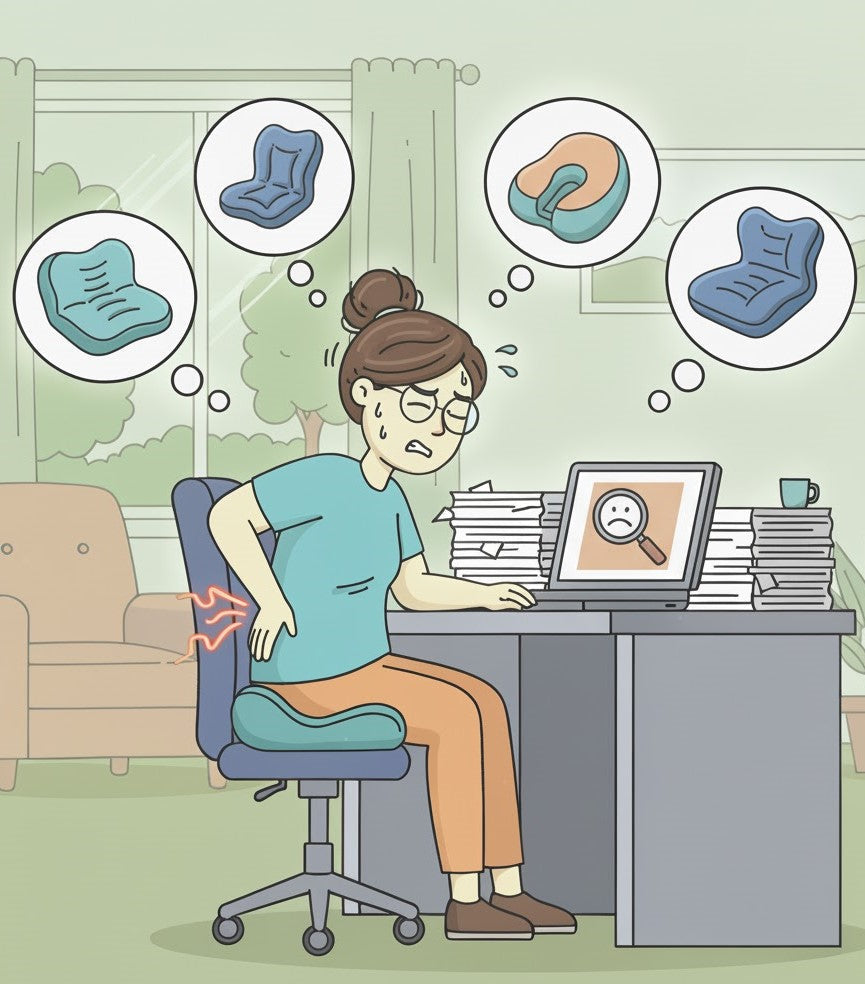
When the body remains static, the hip flexors tighten, the lower back muscles weaken, and the spine gradually loses its natural curvature. Circulation slows, muscle fatigue builds, and even subtle postural imbalances begin to create discomfort. Over time, these changes manifest as hip stiffness, tailbone soreness, and lower back pain—signals that the body is struggling to support itself in a compromised position. Using a back cushion can provide essential support and relief for back pain, especially for those who sit for extended periods.
The issue extends beyond discomfort. Studies in occupational health have shown that sedentary behavior contributes to a range of musculoskeletal conditions, including chronic lower back strain. The longer we sit without proper support, the harder our bodies must work to maintain alignment, often leading to persistent tension and fatigue that undermines both productivity and long-term health.
Fortunately, improving your sitting experience doesn’t require a new chair or a complete workspace overhaul. A well-engineered ergonomic seat cushion can make a measurable difference. By redistributing body weight, supporting neutral spinal alignment, and relieving concentrated pressure around the hips and lower back, it transforms even a standard chair into a healthier, more supportive foundation for daily comfort. Using a back cushion can provide essential support and relief for back pain, especially for those who sit for extended periods.
Investing in proper seating ergonomics isn’t just a matter of comfort — it’s a decision that safeguards your posture, enhances focus, and supports your overall well-being.

Why Your Hips and Lower Back Hurt (and What’s Really Going On)
The discomfort you feel after long hours at your desk isn’t simply “part of the job” — it’s your body signaling strain from improper support. When you sit on a standard office chair, much of your body weight is concentrated on the pelvis, tailbone, and lower spine. Without adequate cushioning or ergonomic design, this uneven weight distribution creates sustained pressure in key support zones.
Over time, that pressure can compromise the spine’s natural alignment and restrict healthy movement. Research on occupational ergonomics has shown that prolonged sitting — especially in non-neutral postures — increases the risk of developing lower back pain and other musculoskeletal issues common among desk-based professionals. According to the National Institute for Occupational Safety and Health (NIOSH), low back pain is one of the most frequently reported work-related musculoskeletal disorders, often linked to factors such as awkward postures, physical strain, and prolonged sitting.
As the hours add up, the body begins to adapt — often in subtle but unhealthy ways. You may not notice it immediately, but small postural adjustments gradually reshape how you sit:
-
Posterior pelvic tilt – the hips roll backward, flattening the natural lumbar curve.
-
Reduced spinal curvature – the lower back loses its supportive “S” shape, forcing surrounding muscles to compensate.
-
Increased nerve pressure – the sciatic nerve and tailbone become compressed, leading to numbness, tingling, or deep soreness.
Each of these imbalances builds over time, leading to that familiar combination of hip tightness, lower back stiffness, and fatigue by the end of the workday.
A well-designed ergonomic seat cushion helps correct these problems at their source. By supporting the hips, elevating the pelvis to a neutral position, and promoting the spine’s natural curve, it restores balance to your sitting posture. The result is improved circulation, reduced nerve compression, and long-term comfort — even through extended periods of sitting. It relieves pressure on sensitive areas, molds to your body for optimal support, and encourages better posture, making it effective for office chairs, car seats, and wheelchairs alike.

Ergonomics 101: How the Right Cushion Supports Natural Alignment
“Ergonomics” is more than an industry buzzword — it is the science of designing environments and tools that work in harmony with the human body. When applied correctly, ergonomic principles don’t just make sitting more comfortable; they actively protect the body’s natural posture, reduce strain, and help prevent long-term musculoskeletal stress.
At its core, an ergonomic seat cushion is designed to promote biomechanical balance — ensuring that the spine, hips, and pelvis remain properly aligned even during prolonged periods of sitting. The goal is not only comfort, but sustained physical health and productivity.
A high-quality ergonomic office cushion delivers support in three critical ways:
| Type of Support | Function | Benefit |
|---|---|---|
| Pressure Distribution | Evenly redistributes body weight across the sitting bones and thighs | Relieves concentrated pressure on the hips, coccyx, and lower spine |
| Postural Support | Encourages a neutral pelvic position and maintains natural spinal curvature | Prevents slouching and reduces the risk of lumbar strain |
| Adaptive Cushioning | Uses premium memory or gel-infused foam that conforms to body contours | Enhances long-term stability, comfort, and circulation |
| Support Cushion | Provides targeted coccyx or tailbone support for those with specific needs | Helps relieve tailbone pain and pressure sores |
When these elements work together, they create a balanced sitting foundation that supports posture naturally — without forcing the body into an unnatural position. This is what separates true ergonomic design from standard seat padding.
The Serenform Summit Seat Cushion exemplifies this science-driven approach. Crafted with high-density memory foam, a breathable, contoured surface, and a non-slip base, it promotes spinal neutrality through extended work sessions while allowing healthy micro-movements that keep muscles engaged. The medium firm feel of the Summit Seat Cushion provides the ideal balance of support and comfort, helping to distribute pressure evenly and support the tailbone for those experiencing discomfort.
For comprehensive support, pairing the Summit Seat Cushion with the Serenform Atlas Lumbar Pillow provides an optimal ergonomic combination — one that stabilizes the lower spine, supports the lumbar curve, and minimizes the fatigue that often accompanies long hours at a desk.
Types of Seat Cushions: Finding the Perfect Fit for Your Body and Lifestyle
Choosing the right seat cushion can make all the difference in your daily comfort and long-term health. With so many options available, it’s important to find a cushion that matches your unique body type, seating habits, and lifestyle needs. Memory foam seat cushions are a popular choice for those seeking ultimate comfort and pressure relief—they mold to your body’s contours, providing excellent support and helping to alleviate pain from long hours of sitting. If you’re looking to improve posture and reduce back pain, an ergonomic seat cushion is designed to promote proper spinal alignment and support your hips and lower back.
For individuals who experience discomfort from extended periods at a desk chair or office chair, a pressure relief seat cushion can help distribute weight evenly and minimize pressure points, offering much-needed pain relief. Those dealing with tailbone pain will benefit from coccyx cushions, which feature a cutout to relieve pressure on the tailbone and provide targeted tailbone pain relief. Pairing your seat cushion with a lumbar support pillow can further enhance back support, creating a comprehensive solution for back pain and posture issues.
Whether you need a cushion for your office chair, desk chair, car seat, or even for use at home, there’s a perfect cushion to fit your needs. From memory foam to ergonomic designs, these cushions are engineered to support your body, relieve pressure, and transform any seat into a comfortable, supportive space. Investing in the right seat cushion ensures you enjoy excellent support, pain relief, and a comfortable seating experience—no matter where you sit.

Designed for Endurance: Comfort That Lasts Beyond the Workday
Whether you’re managing back-to-back meetings or immersed in hours of gaming, extended sitting requires more than a comfortable chair — it demands strategic, sustained support. The longer the body remains seated, the more it must resist the downward forces acting on the coccyx (tailbone), hips, and lower spine. Without proper ergonomics, those forces translate into compression, restricted blood flow, and muscular fatigue that gradually erode comfort and focus.
Most traditional chairs, even high-end gaming models, are not engineered to maintain neutral spinal alignment over long durations. The seat padding compresses, posture shifts, and pressure begins to build in sensitive areas such as the hips and tailbone. The result is a familiar combination of numbness, stiffness, or tingling that signals impaired circulation and localized stress.
Modern pressure relief seat cushions, such as the Serenform Summit Seat Cushion, are designed to address these challenges directly. Engineered with gel-infused, high-density memory foam, the Summit features a contoured profile and a U-shaped cutout that together relieve tailbone pressure, encourage pelvic balance, and maintain steady airflow to reduce heat buildup. This combination not only enhances comfort but also helps preserve muscular endurance — allowing you to stay focused and supported for hours on end. The Summit feels exceptionally comfy during long sessions, providing a soft, plush seating experience that mimics sitting on clouds.
Research supports this approach. A study published in the Journal of Ergonomics found that using a contoured seat cushion can reduce peak sitting pressure by up to 30%, improving both comfort and circulation during prolonged sitting sessions. This data underscores a crucial point: proper ergonomic cushioning doesn’t simply feel better — it contributes to measurable physical performance and well-being.
If you often experience leg tingling, lower back tightness, or general discomfort after long sitting sessions, it’s not a sign that you need a new chair — it’s a sign your body needs balanced, adaptive support that complements how you sit, move, and perform.

The Science Behind Ergonomic Cushion Design
At Serenform, design is not a matter of aesthetics alone — it is grounded in human biomechanics, data-driven testing, and material science. Every contour, curvature, and foam layer is deliberately engineered to support the natural posture of the human body. The goal is simple but essential: to create ergonomic solutions that are both scientifically validated and experientially transformative.
Unlike conventional seat cushions that prioritize softness or style, Serenform’s approach is rooted in quantifiable performance. Each product undergoes extensive pressure-mapping analysis, spinal alignment testing, and thermal regulation studies to ensure that comfort is not only felt, but measured and maintained. Design features such as a coccyx cutout are incorporated to provide targeted pressure relief and reduce pressure on the tailbone area. Additionally, a non-slip bottom is included in the cover and base design to ensure stability and prevent slipping during use.
Key Design Insights
1. Pressure Mapping Analysis
By identifying high-compression zones — typically around the tailbone, sit bones, and lower hips — Serenform engineers can optimize cushion density and contour placement. This ensures even pressure distribution, reducing the likelihood of localized pain or tissue strain during extended sitting.
2. Spinal Neutrality Testing
Maintaining the spine’s natural curvature is critical for preventing lower back fatigue. Through controlled posture testing, each cushion is designed to sustain an optimal 95–105° hip-to-torso angle, a range proven to support lumbar alignment and core stability.
3. Advanced Material Science
Serenform’s proprietary multi-layer foam technology combines high-density support with adaptive comfort layers. The result is a cushion that remains resilient under prolonged use, while breathable fabrics and open-cell structures enhance airflow, prevent heat buildup, and promote healthy circulation. The comfort and pressure relief provided by these cushions can be compared to that of a high-quality bed, as the materials are designed to mold to the body and relieve pressure points much like a premium mattress.
These design principles are more than theoretical. Research published in the Applied Ergonomics Journal (2022) found that reducing posterior pelvic tilt through proper ergonomic support can lower lumbar strain, improving both comfort and endurance for seated workers.
Through this science-first philosophy, Serenform’s ergonomic solutions — particularly the Summit Seat Cushion and Atlas Lumbar Pillow — transform data into tangible comfort. Together, they create a synergistic support system that encourages optimal posture, sustained energy, and a pain-free sitting experience.

How to Choose the Right Cushion for Your Needs
Selecting the right seat cushion is not a one-size-fits-all decision. The optimal ergonomic cushion should complement your body type, daily habits, and seating environment — ensuring that comfort and alignment work in harmony. Whether you’re working at a desk, commuting, or gaming for extended hours, the right choice depends on how your body interacts with your chair and how consistently you sit throughout the day.
When evaluating your options, consider the following key factors:
| Feature | Why It Matters | What to Look For |
|---|---|---|
| Material & Firmness | The composition and density of the cushion determine how effectively it supports your body weight over time. Firmness ensures stability, while softness adds comfort and adaptability. | Look for high-density memory foam or gel-infused foam that contours to your shape without losing structure after prolonged use. |
| Shape & Contouring | The shape of the cushion influences spinal alignment and pelvic positioning. A design that mirrors the body’s natural curves helps maintain neutral posture. | Opt for a contoured or U-shaped cushion that relieves tailbone pressure and encourages even weight distribution. |
| Intended Use |
Different activities and environments place distinct demands on your posture. Matching the cushion to your use case maximizes its ergonomic benefit. | Choose a versatile, portable cushion suitable for the office, home, car, or gaming setup — ideally with lightweight construction and ergonomic versatility. |
| Cover & Base Design | A well-designed exterior contributes to both comfort and hygiene. The materials should be breathable, easy to clean, and resistant to slipping. | Select a cushion with a washable, breathable cover and a non-slip base to maintain stability throughout the day. |
| Price | Affordability and value are important when selecting a cushion, as prices can vary widely depending on features and materials. | Compare prices across different brands and sellers to find a cushion that fits your budget without compromising on quality. |
Each of these elements plays a crucial role in sustaining posture, improving circulation, and preventing long-term discomfort. A high-quality cushion should feel supportive from the first moment — and remain consistent after months of daily use.
The Serenform Summit Seat Cushion exemplifies these principles. Engineered with premium memory foam, a breathable performance fabric, and an ergonomic contour, it provides structured comfort that adapts to the body while preserving spinal neutrality. When paired with the Serenform Atlas Lumbar Pillow, the combination delivers a complete, balanced ergonomic solution — addressing both lumbar alignment and seated pressure relief for all-day support.

Everyday Ergonomic Habits to Maximize Comfort
A well-engineered seat cushion can transform your sitting experience — but true ergonomic health comes from how you sit, move, and interact with your workspace throughout the day. Even the most advanced cushion performs best when complemented by intentional posture habits and small, consistent adjustments that keep the body active and aligned.
Modern ergonomics emphasizes dynamic sitting: the practice of supporting posture while encouraging subtle movement and muscle engagement. The goal isn’t to stay perfectly still, but to maintain balanced alignment and healthy circulation as you work. Here are foundational habits to help you maximize both comfort and effectiveness:
-
Adjust Your Chair Height for Grounded Stability
Position your chair so your feet rest flat on the floor and your knees form a 90° angle. This ensures your body weight is evenly distributed across the seat cushion and minimizes pressure buildup under the thighs. -
Keep Screens at Eye Level
Align your monitor so the top of the screen is roughly at eye height. This simple adjustment prevents forward head posture — a leading contributor to neck and upper back strain. -
Take Regular Micro-Breaks
Every 30 to 45 minutes, stand, stretch, or take a brief walk. Even one to two minutes of movement stimulates blood flow, reactivates the core muscles, and helps reset spinal alignment. -
Engage the Core for Spinal Stability
Maintaining a light activation of the core muscles while sitting — without tensing — stabilizes the spine and supports upright posture naturally. Think of it as a gentle reminder to let your seat cushion and muscles share the workload. -
Reevaluate Your Setup Periodically
As your body or work habits change, so should your workspace. Check the alignment between your seat cushion, lumbar support, and desk height regularly to ensure ongoing comfort and balance.
By combining evidence-based ergonomic design with mindful daily habits, you can prevent fatigue, improve focus, and sustain your body’s natural posture — even during long hours of seated work.

Redefine the Way You Sit
Most chairs are built for utility — not for the human body’s long-term comfort or alignment. Yet the way you sit, hour after hour, shapes how your body feels, functions, and performs far beyond the workday. True comfort is not an indulgence; it’s a form of careful design and intentional support that allows your body to operate as it was meant to.
An ergonomic seat cushion is not simply an accessory; it’s an essential component of a healthy workspace. It represents a commitment to your posture, focus, and long-term well-being — supporting not only how you sit, but how you move, think, and recover throughout the day. When posture is balanced and pressure is evenly distributed, the body conserves energy, the mind maintains clarity, and discomfort no longer distracts from performance.
At Serenform, each product is the result of human-centered engineering and evidence-based design. The Summit Seat Cushion and Atlas Lumbar Pillow exemplify this philosophy — merging advanced materials with biomechanical insight to transform any standard chair into a posture-optimized workspace. Whether you’re working, studying, or gaming, these solutions provide enduring stability and comfort that adapt seamlessly to your routine.
Redefining how you sit isn’t about making small adjustments; it’s about reimagining your relationship with comfort and performance. When you align your body correctly, productivity follows naturally — and so does relief.