How to Combat Work Fatigue and Get More Done
Many professionals begin the day with focus and momentum, only to experience a noticeable decline by mid-afternoon. Tasks that felt manageable in the morning begin to require more effort, and productivity slows. This is not simply a matter of willpower or motivation. More often, it reflects the combined impact of physical fatigue, prolonged sitting, and a work environment that places strain on the body, often resulting in a feeling of mental and physical exhaustion.
Research shows that fatigue and discomfort are among the most significant barriers to sustained performance in knowledge-based work. When the body is misaligned or under strain, energy is depleted more rapidly, concentration diminishes, and even routine responsibilities can feel burdensome, especially when you are feeling tired.
The encouraging reality is that fatigue can be managed — and in many cases prevented — with intentional strategies. By incorporating ergonomic support, adopting wellness-oriented work habits, and using tools designed to align the body with the demands of the task, professionals can maintain consistent energy levels and work at a higher capacity throughout the day.
In this article, we will examine the most effective approaches to reducing physical strain, promoting focus, and ensuring that productivity does not decline as the afternoon progresses.

Quick Wins for Lasting Productivity
Improving energy and focus during the workday does not require a complete office redesign. In many cases, small, intentional adjustments can deliver significant benefits, particularly in combating the well-documented afternoon slump.
Why Fatigue Peaks Mid-Afternoon
Several factors converge to make the hours between 1–3 PM especially challenging for concentration and performance:
-
Circadian rhythm dip: Human energy levels naturally decline during early afternoon hours, a biological rhythm that makes sustained focus more difficult.
-
Static posture: Remaining seated for long periods reduces circulation, which contributes to muscle stiffness and a sense of sluggishness.
-
Visual strain: Poor screen positioning, inadequate lighting, or glare accelerate eye fatigue and intensify feelings of tiredness.
Practical Adjustments You Can Implement Immediately
Even small changes in daily routines can reduce strain and preserve focus:
- Take micro-breaks: Set reminders to stand, stretch, or walk briefly every 45–60 minutes. These pauses reduce spinal compression and restore circulation.
- Rest the eyes: Follow the 20-20-20 rule — every 20 minutes, shift your gaze to an object at least 20 feet away for 20 seconds. This relieves visual strain and helps prevent headaches.
- Optimize lighting: Exposure to natural light has been shown to reduce fatigue by over 50% compared to artificial lighting. Whenever possible, position your workspace near a window or use full-spectrum lighting to simulate daylight.
These strategies require minimal effort yet can deliver measurable improvements in both comfort and performance. By integrating them into the workday, professionals can counteract natural dips in energy and maintain steady productivity well beyond mid-afternoon.

The Ergonomic Advantage: Applying Ergonomic Principles
The way your workspace is arranged has a direct impact on how much energy you can sustain throughout the day. Ergonomics is not limited to comfort — it is fundamentally about efficiency. The importance of ergonomics lies in its ability to enhance safety and employee well-being for workers and employees by reducing hazards and preventing injuries. When the body is properly supported, it expends less energy on maintaining posture and resists the fatigue that often sets in by mid-afternoon. A well-designed ergonomic setup ensures that your muscles, joints, and circulation all work in balance, allowing you to stay productive for longer periods without strain.
| Element | Ideal Setup | Why It Matters |
|---|---|---|
| Chair | Hips slightly above knees, with lumbar and back support | Maintains spinal alignment and reduces lower back strain |
| Monitor | Top of the screen at eye level, placed about arm’s length away | Prevents forward head posture and reduces both neck and eye strain |
| Keyboard/ Mouse | Elbows bent at 90°, wrists kept straight | Minimizes shoulder tension and reduces risk of repetitive strain in wrists and arms |
| Foot Position | Feet flat on the floor or supported by a footrest | Improves circulation, prevents leg fatigue, and reduces pressure on the lower back |
Practical Solution
Even a single adjustment can make a measurable difference. An ergonomic assessment can help identify which adjustments or tools would be most beneficial for your specific workspace needs. For example, the Serenform Axis Footrest elevates the feet to create proper alignment between the hips, knees, and spine. By promoting balanced posture and reducing pressure on the lower back, it helps conserve energy and minimize fatigue across long work sessions.

Work Smarter With Wellness Habits
Even with the best ergonomic setup, the body still requires proper care to perform at its highest level. Ergonomics reduces strain, but energy is also influenced by how well you hydrate, nourish, and move throughout the day. Staying hydrated helps prevent hydrated fatigue and stay hydrated fatigue, which can otherwise lead to decreased energy. Integrating simple wellness practices into your workflow ensures that you are not only working longer, but also working more effectively, with more energy and an improved mood throughout the day.
Wellness Habits That Sustain Energy
- Stay Hydrated: Even mild dehydration can reduce concentration and increase fatigue by up to 25%. Keeping a water bottle within reach and sipping regularly throughout the day helps maintain cognitive performance. Be mindful of what you drink—choose water over sugary drinks or alcohol to support sustained energy.
- Choose Smarter Snacks: Reaching for chips or sweets may provide a quick boost, but it often leads to an energy crash. What you eat matters—alternatives such as almonds, fruit, or yogurt, or whole grains help stabilize blood sugar and provide lasting fuel for the brain.
- Practice Intentional Breathing: Short mindfulness breaks or deep breathing exercises increase oxygen flow to the brain and counteract the effects of stress. Just a few minutes can reset focus and improve clarity.
- Incorporate Movement: A five-minute walk, stretch, or even standing during phone calls every couple of hours stimulates circulation, helps burn energy, and refreshes mental focus. Exercising outdoors and getting fresh air can further boost mood and well-being.
These practices do not require a major lifestyle overhaul. Instead, they function as micro-habits — small, repeatable actions that accumulate over time to protect productivity and prevent burnout. When paired with strong ergonomic foundations, they create a sustainable approach to high performance.

Tools That Make the Difference
Even the best habits cannot fully compensate for a workspace that lacks proper support. No matter how mindful you are about posture, movement, or wellness, your body still requires the right tools to prevent strain and sustain energy. Having access to the right resources, such as ergonomic tools and information, is essential for maintaining a healthy and productive workspace. Investing in ergonomic essentials is not about luxury — it is about creating a foundation for long-term health, comfort, and productivity.
Must-Have Ergonomic Tools
- Ergonomic Chair: A high-quality chair supports the natural curvature of the spine, encourages proper alignment, and reduces pressure on the lower back during extended periods of sitting.
- Seat Cushion: A well-designed cushion distributes weight evenly, reduces hip and tailbone fatigue, and improves circulation. The Serenform Summit Seat Cushion is engineered to relieve pressure points and maintain comfort for hours of seated work, making healthy posture effortless.
- Standing Desk: Alternating between sitting and standing reduces static strain, prevents stiffness, and keeps energy levels more consistent throughout the day.
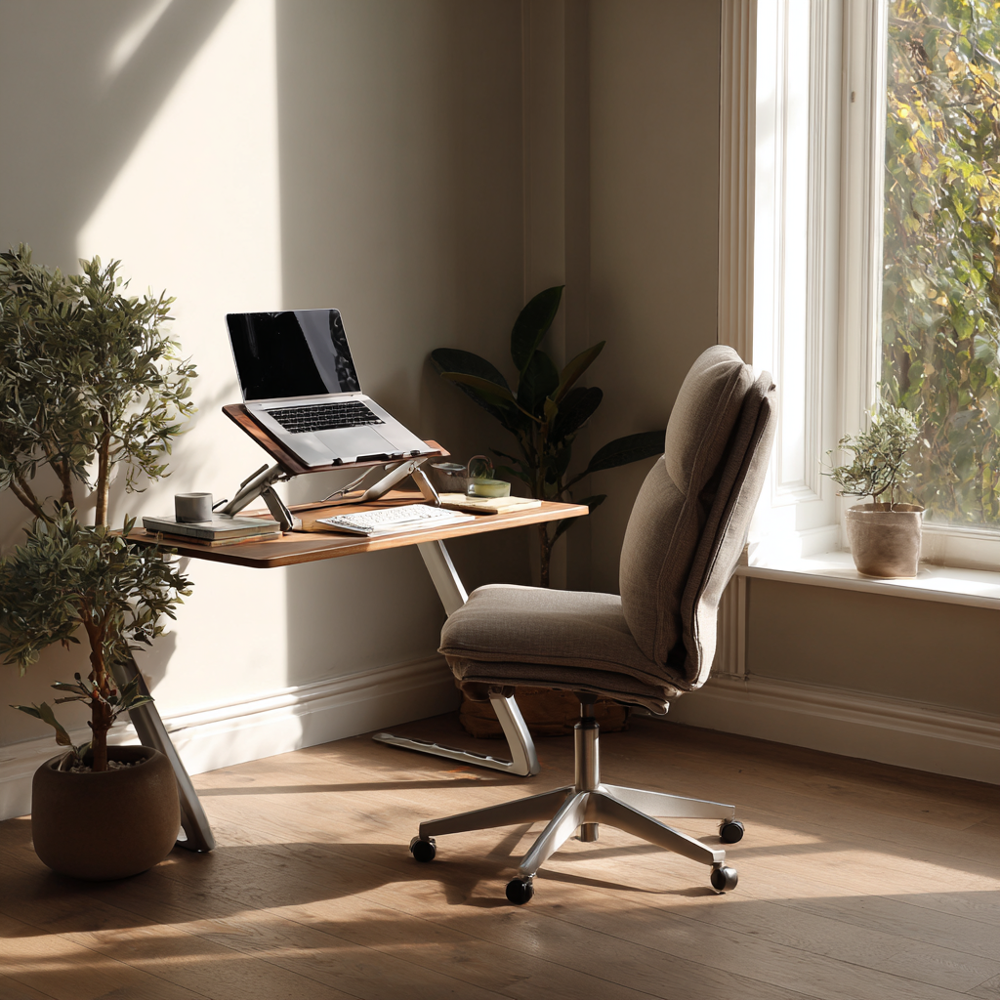
- Monitor Arm or Laptop Stand: Keeping screens at eye level prevents forward head posture and significantly reduces the risk of neck pain at work. The Serenform Elevate Laptop Stand raises your laptop to the ideal height, promoting healthy alignment and flexibility as your tasks change.
- Footrest: Proper foot positioning enhances circulation and relieves pressure on the lower back. The Serenform Axis Footrest promotes balanced posture by keeping the hips, knees, and spine aligned.
These tools should be viewed as long-term investments. Beyond providing comfort, they enable consistent performance by minimizing unnecessary energy drains. An ergonomically optimized workspace ensures that your body supports your work — rather than standing in the way of it.

Study Without the Slump
Avoiding mid-session fatigue is not just a challenge for professionals. Students preparing for exams, writing papers, or tackling long reading assignments often experience the same afternoon slump that disrupts productivity in the workplace. Extended sitting, poor posture, and inadequate workspace setups can drain focus and make it harder to retain information.
The encouraging news is that the same ergonomic and productivity strategies that benefit professionals are equally effective for students. With thoughtful adjustments — many of which can be implemented on a limited budget — students can maintain energy, reduce strain, and study more effectively. If you also have a remote job, be sure to apply these strategies to both your study and job tasks to support a healthy work-life balance.
Budget-Friendly Hacks for Students
- Support the Lower Back: If an ergonomic chair is not available, use a cushion, folded blanket, or even a rolled-up towel for lumbar support. This simple adjustment helps maintain the spine’s natural curve and reduces lower back fatigue.
- Elevate the Screen: Placing a laptop on stacked textbooks or binders raises the screen to eye level, preventing the neck strain that develops from looking downward for hours.
- Structure Study Time: Apply the Pomodoro Technique - work in focused blocks of 25 - 50 minutes, followed by a 5-minute break. This method improves concentration and prevents the mental fatigue associated with long, uninterrupted sessions.
- Use a Footrest Alternative: If a dedicated footrest is not feasible, a sturdy box or stack of books can serve as a substitute. Keeping feet supported improves circulation and reinforces posture.
Ergonomic principles do not need to be costly or complicated. Even small, budget-friendly changes help prevent discomfort, conserve energy, and extend focus. For students balancing heavy academic workloads, these adjustments can make the difference between simply getting through a study session and truly excelling.

Managing Digital Exhaustion
Digital exhaustion has become one of the most frequently reported challenges in today’s virtual work environment. The constant stream of emails, video calls, and notifications can quickly lead to feelings of fatigue, burnout, and a noticeable drop in productivity. As remote and virtual work continue to lead the way in many industries, it’s more important than ever to be aware of the risks associated with digital overload.
To manage digital exhaustion, start by setting clear boundaries between work and personal time. Designate specific hours for work, and make a conscious effort to disconnect from screens outside those hours. Prioritizing self-care activities—such as regular exercise, meditation, or simply spending time outdoors—can help restore energy and reduce stress levels.
Incorporating ergonomic practices into your daily routine is also essential. Take regular breaks to stand, stretch, and move around, which helps maintain good posture and keeps your energy levels steady. Staying hydrated throughout the day is another effective tool for combating fatigue and supporting overall well-being.
Limiting screen time, avoiding multitasking, and using effective tools like website blockers or screen time tracking apps can further minimize digital exhaustion. By being proactive and intentional about your digital habits, you can maintain your productivity, reduce stress, and protect your long-term well-being in a virtual work environment.

Building a Support Network
In remote work settings, where face-to-face interactions are limited, building a strong support network is crucial for maintaining both mental and emotional well-being. The absence of daily in-person contact with coworkers can sometimes lead to feelings of isolation, which can impact stress levels and overall health.
To counteract this, make it a priority to connect regularly with coworkers, friends, and family. Schedule video calls, phone chats, or even occasional in-person meetups to foster a sense of connection and community. Engaging with online communities or forums related to your field or interests can also provide valuable support, networking opportunities, and a sense of belonging.
Self-care remains a cornerstone of well-being in remote work. Activities like exercise, meditation, and spending time in nature are proven ways to reduce stress and boost both physical and mental health. By nurturing relationships and prioritizing self-care, you create a resilient foundation that helps you manage the unique challenges of remote work, maintain your health, and support your overall well-being.

Reducing Eye Strain
Eye strain is a common side effect of spending long hours in front of screens, especially in jobs that require extended computer use or frequent handling of heavy items and equipment. Over time, this can lead to discomfort, headaches, and a decline in productivity.
To reduce the risk of eye strain, follow the 20-20-20 rule: every 20 minutes, look away from your screen and focus on something at least 20 feet away for 20 seconds. This simple habit helps relax the eye muscles and prevent fatigue. Adjusting your display settings to minimize glare and enhance contrast can also make a significant difference in eye comfort.
Taking regular breaks to stretch, move around, and rest your eyes is essential for maintaining productivity and protecting your long-term health. Additionally, maintaining good posture and ensuring your workspace is free from heavy items that could cause unnecessary strain will further reduce the risk of eye discomfort. By making these adjustments, you can keep your eyes healthy and your focus sharp throughout the workday.

Improving Mental Clarity
Maintaining mental clarity is key to staying productive and focused, especially in remote work environments where distractions are common and stress levels can run high. Clear thinking not only boosts productivity but also supports overall well-being.
Mindfulness techniques such as meditation, deep breathing, or yoga are effective tools for sharpening mental clarity and reducing stress. Incorporating regular breaks into your routine—whether to stretch, move, or simply rest your mind—can help prevent fatigue and keep your thoughts organized.
Prioritizing quality sleep, staying hydrated, and being mindful of your caffeine intake are also important for sustaining mental clarity. Avoiding heavy meals that can lead to sluggishness will help you maintain steady energy and focus. By integrating these strategies and maintaining a healthy work-life balance, you can reduce stress, improve your well-being, and achieve your goals more effectively in any remote work setting.

Conclusion: Smarter Work, Less Fatigue
Fatigue does not have to be a built-in part of your day. Whether you are working through a demanding schedule or studying for long hours, the combination of ergonomic support, wellness habits, and simple productivity techniques can make a significant difference. By reducing physical strain and conserving energy, you create the conditions for sharper focus, steadier output, and greater comfort throughout the day.
The key is balance: small adjustments to posture, breaks for movement, healthy fueling habits, and the right supportive tools all work together to prevent the afternoon slump. With a thoughtful approach to how you work and study, you can achieve more in less time — without the exhaustion that often comes with pushing through discomfort.
Smarter work begins with a smarter setup. By investing in these strategies, you protect both your energy and your long-term well-being, ensuring that your productivity is sustainable well into the future. In the long run, these habits support lasting productivity and overall well-being, making a positive impact that extends far beyond each individual day.